Leave a Message

By providing your contact information to Beverly Shanahan, your personal information will be processed in accordance with Beverly Shanahan's Privacy Policy. By checking the box(es) below, you consent to receive communications regarding your real estate inquiries and related marketing and promotional updates in the manner selected by you. For SMS text messages, message frequency varies. Message and data rates may apply. You may opt out of receiving further communications from Beverly Shanahan at any time. To opt out of receiving SMS text messages, reply STOP to unsubscribe.

Thank you for your message. We will be in touch with you shortly.

Best Time To Sell a Home in Parkland

December 11, 2025

Wondering when to list your Parkland home so you get the most attention and the best offers? Timing matters more here than you might think. Between seasonal buyers, family move schedules and hurricane season, the calendar can shape your results. In this guide, you’ll learn the best windows to sell in Parkland, how to plan your prep, and the key market checks to make before you go live. Let’s dive in.

Quick answer: the strongest months

If your goal is broad exposure and strong buyer competition, late winter through spring is usually your best bet in Parkland. Listing between January and May aligns with family buyers planning for the next school year and captures the seasonal wave of South Florida visitors. You also avoid the peak storm period that can complicate inspections and closings.

That said, the smartest move is to pair this general rule with current local data on inventory, days on market and pending sales. Parkland is a primarily single-family market, so small shifts in supply can change the pace quickly.

Why timing matters in Parkland

Parkland attracts many buyers who prioritize space, privacy and neighborhood amenities. Families often plan moves around the school calendar, which concentrates demand in late winter and spring. This pattern overlaps with the broader South Florida trend of seasonal residents visiting from November through April, which increases buyer traffic.

Weather plays a role. Atlantic hurricane season runs June 1 to November 30, with historically higher risk in August through October. Storm forecasts can pause showings, inspections and insurance approvals. Holiday weeks and the hottest summer weeks also tend to be slower for in-person tours.

Pick your window by goal

Maximize price

  • List in late winter or early spring to reach both local families and seasonal buyers.
  • Allow enough time for high-impact marketing, including professional photos, video and agent previews.
  • Price with current comps and months-of-inventory in mind to spark early interest.

Sell fast

  • Launch mid-week to build buzz for weekend showings. Many listings see stronger early activity when they hit on Thursday.
  • Tighten the timeline with full document readiness: HOA information, disclosures and any flood-related certificates if applicable.
  • Consider pre-list inspections for common Florida items so you can address small issues upfront.

Coordinate with the school year

  • Target a listing window from January to May. That gives you time to go under contract, close in 30-45 days and move over summer.
  • If you need a summer listing, prepare for fewer buyers and price competitively to stand out.

Target seasonal buyers

  • If your home appeals to part-time or relocating buyers, a late fall or winter launch can work well.
  • Be flexible with closing or occupancy to match seasonal schedules.

Listing during hurricane season

  • You can sell successfully, but plan ahead. Storms can delay inspections, appraisals and insurance binding.
  • Build contingency time into your contract and discuss an emergency plan for showings and deadlines.

Tactical listing tips that work

Mid-week launch strategy

List mid-week to capture weekend traffic. A Thursday go-live gives buyers and agents time to book showings and often produces stronger early activity.

Lead time for prep

Most sellers need 2 to 8 weeks to prepare. Minor repairs and staging take less time; renovations or landscaping updates need more. If you’re aiming for a January-March listing, begin prep in late fall.

Show outdoor living

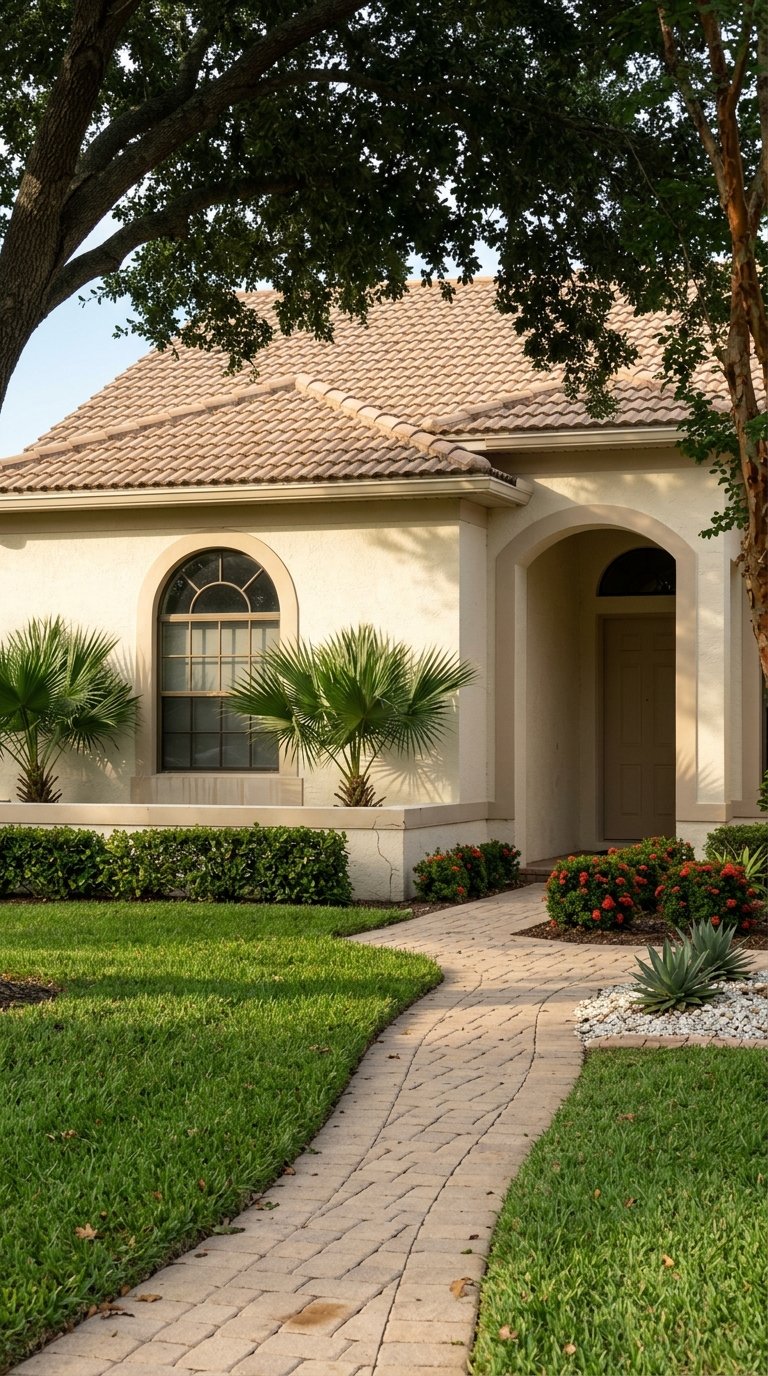
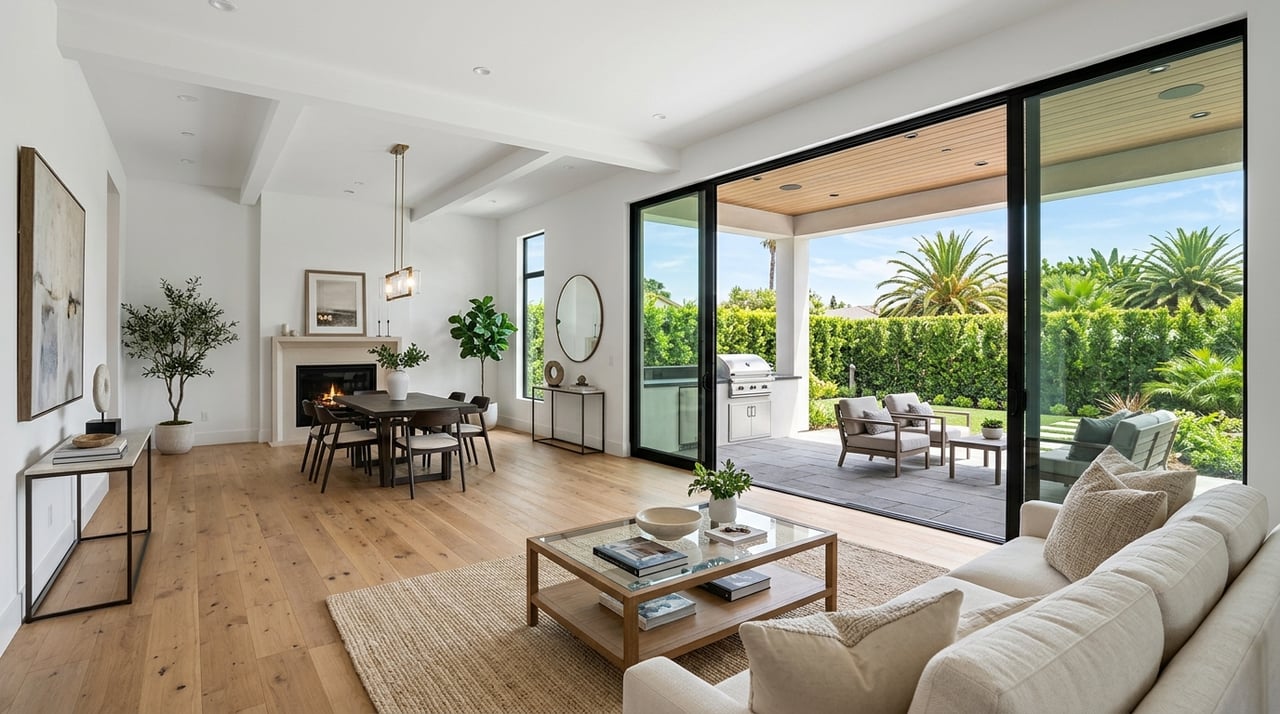
Outdoor living is a big draw in Parkland. Freshen landscaping, pressure clean hardscapes, and stage patios and pools. Keep lawn care consistent so photos and showings highlight your yard at its best.

Insurance and inspections readiness

Florida insurance has been changing, and buyers pay close attention. Be ready to discuss roof age, wind mitigation, and any four-point or full inspections you’ve completed. During storm season, allow extra time for scheduling.

HOA and flood documents

If your property is in an HOA, order documents early. If your home sits in a Special Flood Hazard Area, have elevation certificates and a recent flood insurance quote available. This avoids surprises that can slow down negotiations.

The 90-day prep checklist

90–60 days before listing

  • Choose your target window: late winter-spring for broad demand or late fall to reach seasonal visitors.
  • Request a comparative market analysis and confirm price strategy.
  • Schedule repairs and updates. Focus on roofs, HVAC service, paint, lighting and curb appeal.
  • Confirm HOA status, fees and any assessments.
  • Check your flood zone status and locate elevation certificates if applicable.

60–30 days before listing

  • Finish repairs and touch-ups. Declutter and deep clean.
  • Stage key rooms and outdoor areas. Book professional photos, video and floor plans.
  • Plan your launch calendar: agent previews, open houses and digital campaigns.

30 days or less

  • Finalize price based on the latest comps and absorption rate.
  • Go live mid-week with complete marketing assets.
  • Set showing instructions that make access easy and predictable for buyers and agents.

If listing during hurricane season

  • Build in flexibility for inspections and insurance timelines.
  • Discuss storm-related contingencies and how they affect contract dates.
  • Keep insurance and underwriting contacts ready to move quickly between storms.

Make a data-driven call this month

Before you pick your exact date, check a few Parkland-specific indicators:

  • Months of inventory. Low inventory favors sellers and supports stronger pricing; rising inventory calls for sharper pricing and presentation.
  • Median days on market. Faster DOM means buyers are active and decisive; slowing DOM suggests you should plan for more days to sell.
  • Active vs. pending counts. If pendings are rising relative to actives, demand is building.
  • Sold-to-list price ratio. This shows how close homes are selling to their asking prices.
  • Local mortgage rate environment. Rapid rate changes can shift buyer budgets and alter demand regardless of season.

You can review these with your local MLS and market reports, and by checking county records for recent, nearby sales. Because Parkland neighborhoods differ in price bands and buyer profiles, lean on subdivision-level comps rather than broad county averages.

Pricing, presentation and competition

Even in a strong month, price and presentation drive outcomes. Use recent neighborhood sales, adjust for updates and lot features, and watch nearby actives that may compete with you. Aim to be in the top tier on condition and in the strike zone on price during your first two weeks on market. That early window is when most qualified buyers see and save your listing.

If inventory is limited, you can be more ambitious. If supply is building, invest more in staging and pre-list improvements so you stand out. For unique or luxury properties, allow extra time for targeted outreach and premium marketing.

Taxes, financing and closing timelines

Plan around practical milestones, not just the season. Broward property taxes are assessed annually, and Florida’s homestead rules can affect your next purchase. If you are selling an investment property, talk with a tax advisor about capital gains or a 1031 exchange timeline. Most Broward contracts close in 30 to 45 days, though loans with additional requirements or complex HOA situations can take longer.

Bottom line: choose the season, confirm with data

If you want maximum exposure in Parkland, circle January through May. If you need to reach seasonal buyers, consider a late fall or winter launch. If you must sell during hurricane season, plan for flexibility and documentation readiness. Then, confirm your choice with current inventory, DOM and pending trends in your specific subdivision.

When you are ready, partner with a local expert who can time your launch, price with precision and present your home at a premium. If you want a tailored timing plan and market read for your neighborhood, reach out to Beverly Shanahan for a free consultation.

FAQs

What is the best month to list a Parkland home?

  • Late winter through spring, roughly January to May, typically combines the most buyer activity with family move schedules and seasonal visitors.

Is winter a good time to sell in Parkland, Florida?

  • Yes. South Florida sees increased visitor traffic from November to April, which can expand your buyer pool, especially for higher-end and second-home properties.

How does hurricane season affect a home sale in Broward County?

  • Hurricane season is June 1 to November 30, with more risk in August to October. Storms can delay inspections, appraisals and insurance binding, so build contingency time into your contract.

How far in advance should I prepare my Parkland home to sell?

  • Plan 2 to 8 weeks for repairs, staging and photos. Larger updates or landscaping may require 6 to 12 weeks.

Do buyers in Parkland ask about flood zones and insurance?

  • Many do. Be ready with your flood zone status, any elevation certificate and proof of insurability, which helps keep negotiations on track.

What is a typical closing timeline for Parkland home sales?

  • Most contracts close in 30 to 45 days, though complex loans or HOA requirements can extend the timeline.

Work With Beverly

Get assistance in determining current property value, crafting a competitive offer, writing and negotiating a contract, and much more. Contact Beverly today to discuss all your real estate needs!