Eyeing Parkland’s gated or country club communities but not sure which lifestyle fits you best? You want amenities you will use, fees you understand, and a location that makes everyday life smooth. In this guide, you will learn how to compare Parkland’s golf, tennis and fitness, family-focused, and low-maintenance neighborhoods, plus the fees, rules, and risks that matter before you buy. Let’s dive in.
Why Parkland stands out
Parkland sits in northwest Broward County with convenient access to the Sawgrass Expressway and I‑75, which makes commuting to major Broward employment centers manageable. The city is known for master-planned neighborhoods with robust amenities and larger-lot homes. Parkland is served by Broward County Public Schools; always verify school assignments directly with the district.
Many communities are gated and HOA-governed, and some offer private club facilities. To learn more about local planning and services, visit the City of Parkland.
Start with lifestyle fit
Before you compare fees, narrow by how you want to live day to day. Here are the four common community types in Parkland and what to expect.
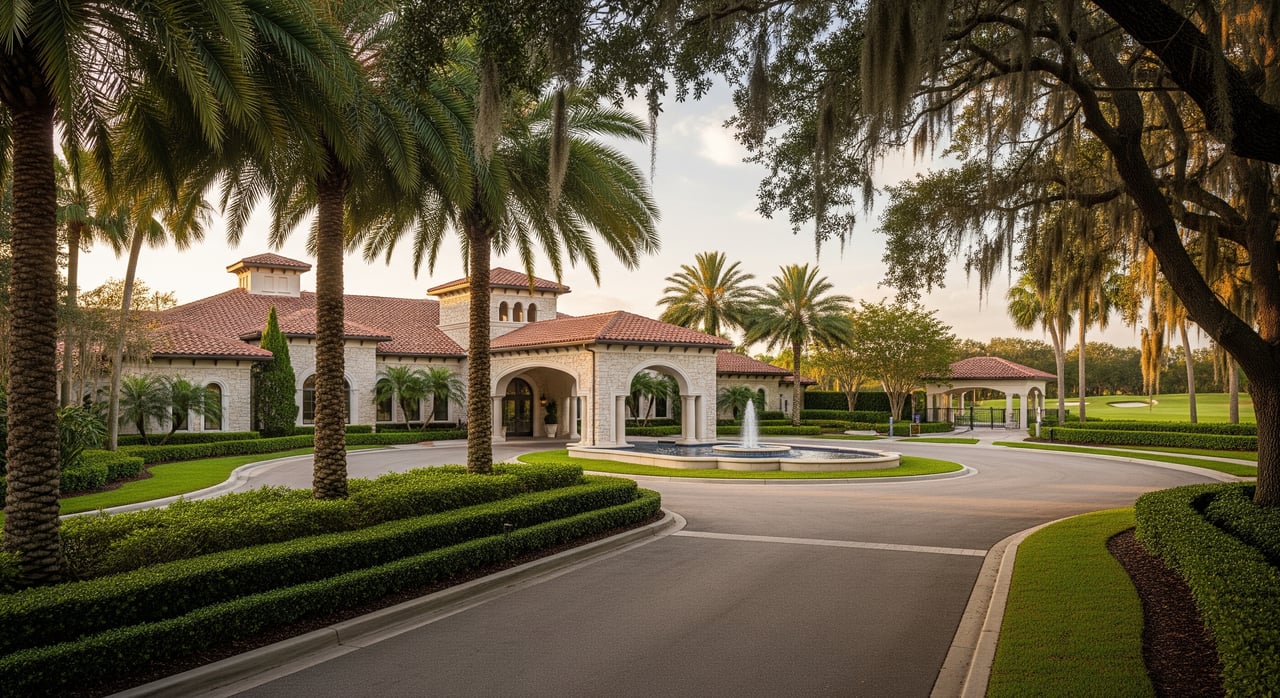
Golf communities
- Typical amenities:
- 18-hole course or private nine, driving range and pro shop
- Clubhouse with dining, fitness and events
- Pools, tennis or pickleball, and private security at the gates
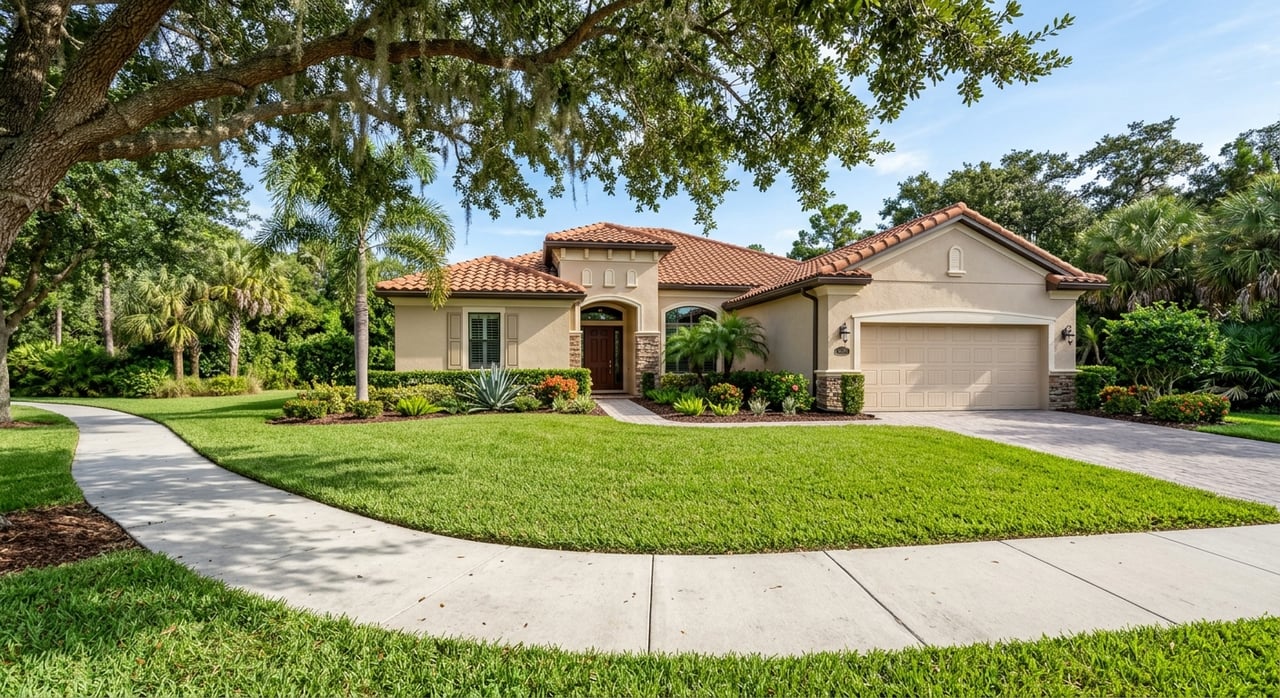
- Homes you’ll find:
- Single-family and custom residences, often with golf or lake views
- Larger floor plans, premium finishes and architectural guidelines
- Best for:
- Golfers, social entertainers and buyers seeking upscale amenities
- Fees to expect:
- HOA dues for gates, landscaping and common areas
- Separate club costs, which may include an initiation fee plus monthly or annual dues; membership can be mandatory or optional depending on the community
- Key question:
- Is membership mandatory for homeowners, and what exactly do dues cover beyond golf access?
Tennis and fitness communities
- Typical amenities:
- Multiple tennis and often pickleball courts, structured clinics and leagues
- Fitness center, pool, dining and a full social calendar
- Homes you’ll find:
- Mix of single-family and villas, sometimes on smaller lots than golf communities
- Best for:
- Active adults and families focused on sport, wellness and social life
- Fees to expect:
- HOA dues plus club operating dues and program fees; check court reservation rules and guest policies
- Key note:
- Many communities are adding pickleball due to fast-growing demand.
Family-focused master-planned neighborhoods
- Typical amenities:
- Multiple pools, playgrounds, splash pads, parks and trails
- Community events and, in some cases, on-site programs or daycare options
- Homes you’ll find:
- 3 to 6-bedroom floor plans, functional yards and multi-car garages; newer builds often include smart-home features
- Best for:
- Growing households prioritizing convenience and recreation
- Fees to expect:
- HOA dues for common areas, amenities and, in gated sections, security
- Key tip:
- If school access matters, review bus stop policies and verify school boundaries with the district.
Low-maintenance and lock-and-leave
- Typical amenities:
- Landscaping, exterior maintenance and sometimes roof or painting included
- Community pool, fitness, social clubs and gated access
- Homes you’ll find:
- Townhomes, villas, paired homes and smaller single-family footprints
- Best for:
- Empty nesters, seasonal residents and anyone who prefers minimal upkeep
- Fees to expect:
- Higher HOA dues that reflect exterior maintenance, landscaping and sometimes cable or insurance components
- Key caution:
- Confirm exactly what “maintenance included” covers and what insurance the association carries versus what you must purchase.
Costs and rules to compare
Getting clear on the financial and legal details helps you avoid surprises and protect resale value.
HOA vs. club dues
- HOA dues cover community services like gates, landscaping and amenity operations. Paid monthly or quarterly.
- Club dues are separate and may include a one-time initiation fee plus monthly or annual dues. Membership can be mandatory or optional.
- Ask how dues are billed, what’s included and whether any dues transfer at resale.
CDD assessments and taxes
- Some Florida master-planned communities use Community Development Districts to finance infrastructure. If present, the CDD appears as a separate line on your property tax bill.
- Review the parcel’s tax history and any CDD amounts through the Broward County Property Appraiser.
Special assessments and reserves
- Request the association’s recent budgets, reserve study and board minutes to understand capital planning.
- Ask about special assessments in the last 5 to 10 years and whether any are planned.
Restrictions and approvals
- Review governing documents for rental caps and lease minimums, pet policies, exterior modification rules, parking and decor standards.
- Understand the timeline and steps for architectural approvals before you plan changes.
Insurance and flood risk
- Confirm what the master policy covers versus what you must insure. In attached homes, some exterior items may be included, but verify.
- Check FEMA flood zone status and obtain insurance quotes early, since hurricane deductibles and premiums affect affordability. Start with the FEMA Flood Map Service Center.
Resale factors
- Updated amenities, active social calendars and popular sports options like pickleball can boost demand.
- Very high mandatory club fees or aging facilities without reserves can slow resale.
- Age-restricted communities narrow your future buyer pool; weigh that against lifestyle benefits.
How to build your shortlist
Use this simple path to move from browsing to confident choice.
- Define must-haves. List your top 5 amenities, preferred home size and flexibility on lot size and yard care.
- Map your routine. Time the commute to work, schools and daily needs during rush hours.
- Set your total monthly budget. Include HOA dues, any mandatory club dues, estimated utilities, property taxes or CDD payment and homeowner plus flood insurance.
- Tour amenities and talk to staff. Ask about program participation, court or tee time access and event demand.
- Review documents early. Request the HOA or club budget, reserve study, insurance certificate and rules as soon as you are serious about a property.
- Get insurance quotes. Ask a local agent for homeowner, windstorm and flood estimates for each address you like.
- Compare apples to apples. Use the same cost and rules checklist for each community before making offers.
Document and question checklist
Bring this list when you tour and during your contingency period.
Key documents
- Declaration, Articles and Bylaws
- Rules and Regulations
- Architectural control guidelines
- Most recent annual budget and last 3 years of financial statements
- Most recent reserve study
- Insurance certificate
- Board meeting minutes from the last 12 months
- Estoppel letter
Smart questions to ask
- Is club membership mandatory, and what does the initiation fee and monthly dues include? Are there transfer or capitation fees at resale?
- May I review the HOA or club budget, reserve study and the last two years of audited or reviewed financials?
- Have there been special assessments in the past 5 to 10 years? Are any planned?
- What are the rental caps or lease minimums? Are short-term rentals allowed?
- What does the master insurance cover versus what the homeowner must purchase?
- Are there any current or pending lawsuits involving the HOA or club?
- What is the process and typical timeline for architectural approvals?
- How are gates staffed and how are guest entries handled?
Local resources for due diligence
Use these official sources for accurate, current information.
Next steps
Choosing between Parkland’s golf, tennis and fitness, family-focused or low-maintenance communities comes down to daily lifestyle and clear cost comparisons. When you are ready to narrow your shortlist, you deserve a local guide who knows the neighborhoods, pulls the right documents fast and helps you negotiate with confidence. For white-glove guidance and buyer concierge support, connect with Beverly Shanahan.
FAQs
What is the difference between HOA dues and club dues?
- HOA dues fund community operations like gates, landscaping and amenities, while club dues fund private club operations and may include initiation fees and ongoing membership levels.
Are club memberships mandatory in Parkland communities?
- It depends on the community; some require homeowners to join the club, while others offer optional memberships, so always confirm terms, initiation fees and transfer rules before you buy.
What is a CDD assessment and how do I find it?
- A Community Development District finances infrastructure, and its repayment appears as a separate line on your property tax bill, which you can review through the Broward County Property Appraiser.
How do I check flood risk for a Parkland address?
- Search the property location on the FEMA Flood Map Service Center and ask your insurance agent for homeowner, windstorm and flood insurance quotes early in the process.
How do age-restricted communities affect resale?
- Age restrictions limit the future buyer pool, which can extend time on market, so weigh that against the lifestyle and maintenance benefits these communities often provide.