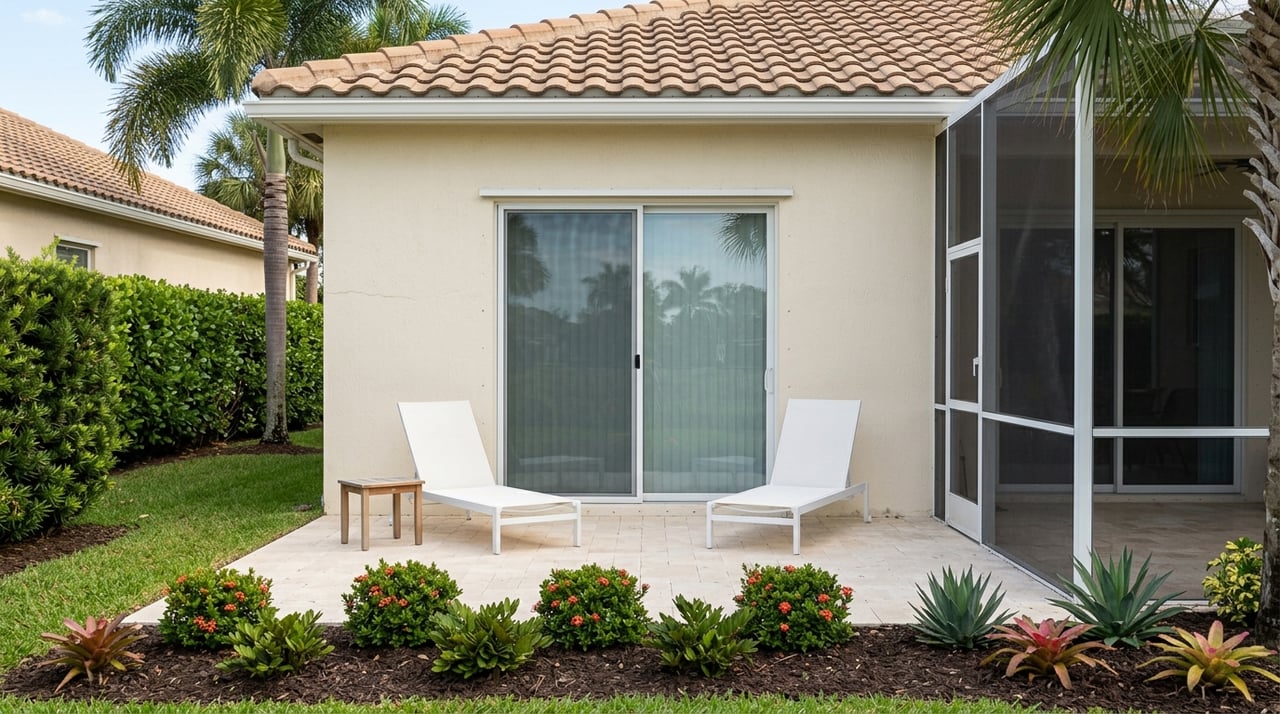
Buying a Second or Seasonal Home in Boca Raton
April 16, 2026
April 16, 2026
Dreaming about winter sunshine, beach access, and a place that feels like your own escape? Buying a second or seasonal home in Boca Raton can be exciting, but it also comes with a different set of rules than buying a primary residence. If you are considering a condo, townhome, or single-family property in this coastal market, you need more than a wish list. You need a clear plan for financing, carrying costs, insurance, and property use. Let’s dive in.
Boca Raton offers more than a warm-weather address. The city has a two-mile stretch of lifeguard-protected beaches and an active parks system, which helps explain why many buyers are drawn to the area for part-time living and seasonal use. You are often buying both a home and a lifestyle in this market, with location and amenities playing a major role in value. According to the City of Boca Raton beaches information, beach access is a defining part of the local experience.
That lifestyle comes at a meaningful price point. The latest U.S. Census QuickFacts for Boca Raton show a median owner-occupied home value of $722,700, an owner-occupied housing rate of 65.7%, and median monthly owner costs of $3,306 for owners with a mortgage. For you as a seasonal buyer, those figures are helpful as a local benchmark when thinking about your full budget.
Not all second-home options work the same way. In Boca Raton, your main choices will usually be single-family homes, townhomes or PUD-style homes, and condos. That distinction matters because financing rules and due diligence can vary depending on the property type.
Under Fannie Mae occupancy rules, a second home must generally be a one-unit dwelling that you occupy for part of the year, keep under your exclusive control, and use as a year-round residence. It cannot be a timeshare, rental property, or management-controlled unit. That makes it important to match your goals with the right property from the start.
A single-family home often gives you the most control over how you use and maintain the property. You may have fewer layers of association review than you would with a condo, although some communities still have HOA rules that affect ownership and leasing.
If you want more privacy, more storage, or room for extended stays, this option may fit your needs well. It can also simplify financing compared with some condo purchases, especially when lender project review becomes a factor.
Townhomes and planned-unit developments can offer a middle ground. You may get more space than a condo while still having some exterior maintenance handled by an association.
That said, you still want to review association rules carefully. Seasonal buyers should pay close attention to fees, maintenance responsibilities, and any restrictions on occupancy or rentals.
Condos are popular with second-home buyers because they can offer a lower-maintenance ownership experience. But they also require the most careful document review.
In Florida, condo financing can be more restrictive than financing for a detached home. Per Fannie Mae’s Florida condo project guidance, established Florida condo projects may have tighter loan-to-value limits for second-home loans, and new or newly converted attached condo projects may require project approval. If you are considering a condo, it is smart to confirm both your financing path and the project’s eligibility early.
A second or seasonal home budget should go well beyond principal and interest. Boca Raton’s local housing figures already suggest a relatively high-cost market, and your true carrying costs may also include:
The Census QuickFacts data provide a useful starting point, but your actual monthly ownership cost may be higher depending on location, community structure, and property condition. This is especially important if you plan to leave the home vacant for part of the year and need ongoing oversight.
If you are buying in a condo or HOA community, document review is not just a box to check. It is a major part of risk management.
The Florida Department of Business and Professional Regulation explains that certain residential condominium and cooperative buildings with three or more habitable stories are subject to milestone inspections and Structural Integrity Reserve Studies, often called SIRS. These reserve planning requirements can affect how associations fund future repairs and may lead to regular assessments, special assessments, lines of credit, or loans if reserves are not enough.
For you, that means association financial health matters. Before moving forward, review items such as:
Florida law also gives buyers important protections. Under Florida Statute 718.503, when applicable, buyers of residential condo units must receive key documents including the milestone inspection summary and the association’s most recent SIRS more than 15 days before contract execution. The buyer may void the contract within 15 days after receiving those documents. For seasonal buyers, that review window is a valuable safeguard.
Second-home financing is not the same as financing a primary residence. According to Fannie Mae’s occupancy guidance, the home must be occupied by you for some part of the year and remain under your exclusive control. Rental income may exist in some cases, but it generally cannot be used to qualify for the loan.
Reserves also matter. Fannie Mae’s reserve requirements show that a second-home purchase requires at least two months of reserves, with higher reserve requirements possible if you already own other financed properties. If you are comparing multiple properties, this is one reason it helps to speak with your lender early instead of waiting until you are under contract.
One of the most common mistakes second-home buyers make is assuming their tax treatment will be the same as a primary residence. In Florida, the homestead exemption application rules tie the benefit to a permanent residence as of January 1 and require an application. In practical terms, a true second or seasonal home usually will not qualify for homestead-based tax benefits.
That can affect your long-term ownership cost. If tax planning is part of your purchase decision, it is wise to review the numbers with a qualified tax professional before you buy.
Some buyers want a seasonal home for personal use only. Others hope to offset costs by renting it when they are away. Those are very different ownership models, and the rules can change quickly once short-term rental activity enters the picture.
Palm Beach County states that a 6% tourist development tax applies to transient rentals of six months or less, in addition to state sales tax. The county also notes that taxable rental revenue can include mandatory cleaning fees and pet fees.
Licensing may also apply. The county tax guidance and Florida vacation-rental rules mean that if you plan to rent the entire unit more than three times in a calendar year for periods of less than 30 days, or market it as regularly rented to guests, you may need a Florida vacation-rental license. You also need to confirm that your association, if any, permits that use.
If your goal is a true second home under conventional lending rules, be careful not to blur the line between personal use and an income property. That distinction can affect financing, taxes, licensing, and association compliance.
Insurance is a major part of second-home ownership in South Florida, especially in a coastal market like Boca Raton. The Florida Office of Insurance Regulation notes that an HO-6 condo policy typically provides walls-in coverage and usually does not cover flooding. In many condo purchases, the association’s master policy generally covers the exterior structure and common areas, but your own policy still matters.
Flood risk needs special attention. According to FloodSmart.gov, a lender may require flood insurance if a property is in a Special Flood Hazard Area and the mortgage is government-backed, and some lenders may require flood insurance even outside higher-risk zones. Before closing, verify the property’s flood zone status, elevation considerations, and any association master coverage that may affect your personal insurance needs.
It is also important not to let required coverage lapse while you are away. The Florida Office of Insurance Regulation notes that lender-placed insurance can happen if a homeowner fails to maintain required coverage. For part-time owners, that is another reason to have a reliable plan for policy management.
If you want to buy in Boca Raton with fewer surprises, focus on the items that most often affect second-home owners:
Buying a second or seasonal home in Boca Raton is about more than finding a property you love. It is about understanding how the numbers, documents, and rules fit your goals. A condo near the coast, a townhome in an HOA, and a single-family home each come with different tradeoffs.
When you have local guidance, you can compare those options with more confidence and avoid expensive surprises later. If you are exploring Boca Raton as your next seasonal destination, Beverly Shanahan can help you evaluate the right fit and navigate the process with experienced, hands-on support.
Stay up to date on the latest real estate trends.
Get assistance in determining current property value, crafting a competitive offer, writing and negotiating a contract, and much more. Contact Beverly today to discuss all your real estate needs!