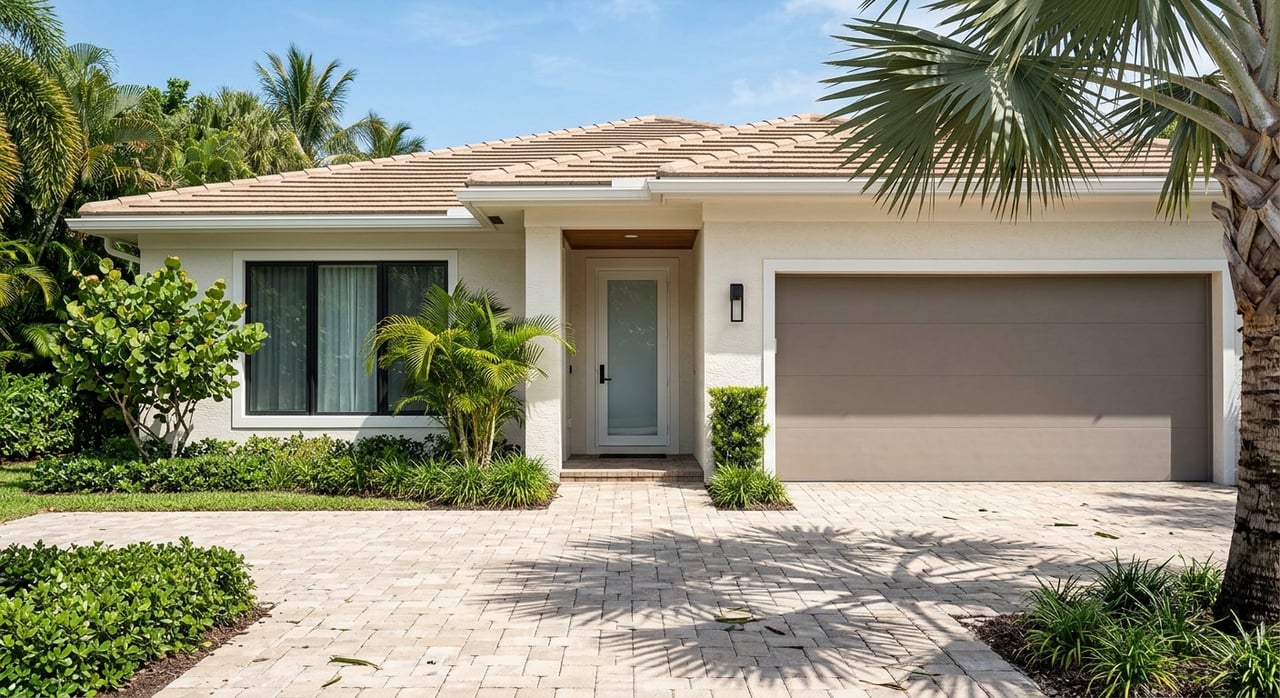
West vs East Boca Raton: Find the Right Daily Fit
May 21, 2026
May 21, 2026
Trying to choose between west and east Boca Raton? The difference is not just about a map. It often shapes how you commute, where you spend weekends, and what your everyday routine feels like. If you are deciding where to live in Boca, understanding these lifestyle patterns can help you focus your home search with more confidence. Let’s dive in.
Boca Raton’s planning documents show a clear pattern. Higher-intensity mixed-use areas are concentrated near major attractors and transit corridors, while lower-density areas spread outward from those hubs.
In everyday terms, that helps explain why east and west Boca often feel different. East Boca is generally tied more closely to downtown, the coast, and mixed-use areas, while west Boca tends to feel more residential, more spread out, and more car-oriented.
East Boca is often the better fit if you want to be close to downtown activity and coastal recreation. Daily life here can include shorter trips to the beach, easier access to city services in the downtown core, and more destinations grouped closer together.
The city’s mobility options also support that pattern. BocaConnect serves areas south of Glades Road, east of I-95, and the barrier island from Gumbo Limbo to the Boca Raton Inlet, with waits of 10 minutes or less according to the city.
If you live in east Boca, you are generally closer to Downtown Boca, the Brightline station, and the BocaConnect service area. That can make quick errands, dinner plans, and local outings feel a little easier to manage without always relying on a full car trip.
Palmetto Park Road is the city’s main east-west route connecting the beach to I-95 and west Boca. Downtown parking is part of the routine, with a mix of free, metered, and event parking, so living in east Boca often means getting comfortable with a more active parking setup.
For many buyers, this is the biggest east Boca advantage. The city says Boca Raton has 5 miles of beaches and a two-mile stretch of lifeguard-protected shoreline.
East Boca also puts you closer to the city’s beach parks, including Spanish River Park, Red Reef Park, and South Beach Park. The city’s coastal recreation network also includes Gumbo Limbo, Intracoastal-adjacent parks, and South Inlet Park, which adds more options for outdoor time near the water.
East Boca daily life often revolves around Downtown Boca, Mizner Park, and Royal Palm Place. These are some of the city’s best-known dining and retail hubs, and the city describes Downtown Boca as walkable and full of things to do.
Mizner Park is another major east-side destination, with more than 40 shops and dining spots, luxury residences, and a movie theater. If you like the idea of combining errands, dining, and entertainment in one area, east Boca often supports that kind of routine.
West Boca usually appeals to buyers who want a more suburban rhythm. The area is generally more residential in character, with larger neighborhood enclaves, planned developments, and day-to-day routines that depend more on driving.
That does not mean fewer conveniences. It means they are often organized around shopping centers, major road corridors, and larger residential communities rather than downtown blocks or waterfront destinations.
West Boca is more closely tied to car travel and larger mobility hubs. The city notes that Tri-Rail service is available at the Yamato Road station, with free shuttles to the Park at Broken Sound, Town Center at Boca Raton, Florida Atlantic University, and Lynn University.
Town Center at Boca Raton also has its own transit station at Butts Road and Town Center Road. That station connects Palm Tran routes 2, 3, 91, and 92, along with the BR-1 Tri-Rail shuttle.
West Boca’s outdoor lifestyle tends to be more park-centered than beach-centered. One standout is Sugar Sand Park, which the city describes as one of Boca Raton’s most popular parks.
Sugar Sand Park includes a community center, carousel, Children’s Science Explorium, Willow Theatre, splash pad, and free parking. Boca Raton says it has 49 parks overall, so recreation exists citywide, but west Boca tends to lean toward larger inland park facilities and activity-based outings.
In west Boca, daily errands and leisure time often center around Town Center at Boca Raton, Boca Center, and other shopping-center clusters. The city identifies Town Center as a top luxury shopping destination, while Shops at Boca Center is another major dining and retail node.
For many households, that creates a practical routine. You may drive more, but you often have access to major retail, restaurants, and service businesses grouped around key corridors.
Boca Raton says more than 75 percent of its housing stock was built after 1970. The city’s housing and land use policies also show that existing and potential single-family neighborhoods are intended to remain intact, while density increases are focused near mixed-use and transit-oriented locations.
That helps explain why east and west Boca often feel different in the housing search. East Boca generally shows more mixed-use, commercial, and higher-density residential designations near Downtown Boca, Federal Highway, and the coast, while west Boca is dominated more by lower-density residential and planned-development categories.
In practical terms, east Boca may feel more condo- and townhome-friendly in certain pockets, with easier access to waterfront and downtown destinations. West Boca often feels more subdivision-oriented, with larger residential enclaves and a more auto-dependent lifestyle.
If you are searching for a home, this difference matters because your floor plan is only part of the decision. Your daily drive, your weekend habits, and the places you visit most often can have just as much impact on how well a neighborhood fits your life.
There is no universal winner between west and east Boca Raton. The better choice depends on what you want your normal week to look like.
East Boca may be the stronger match if you want:
West Boca may be the stronger match if you want:
When buyers compare Boca neighborhoods, it helps to think beyond the listing photos. A home can be beautiful, but if the location does not match how you actually live, it may not feel right after move-in.
A better approach is to compare neighborhoods based on your real routines. Think about where you work, how often you go to the beach, whether you prefer parks or downtown outings, and how much driving you want in a normal week.
If you are relocating or moving within South Florida, that local context matters even more. Boca Raton has a wide range of residential options, and the right fit often comes down to matching the area’s daily rhythm with your priorities.
If you are weighing west Boca against east Boca and want help narrowing your options, Beverly Shanahan can help you compare neighborhoods, home styles, and lifestyle tradeoffs with a clear local perspective.
Stay up to date on the latest real estate trends.
Get assistance in determining current property value, crafting a competitive offer, writing and negotiating a contract, and much more. Contact Beverly today to discuss all your real estate needs!