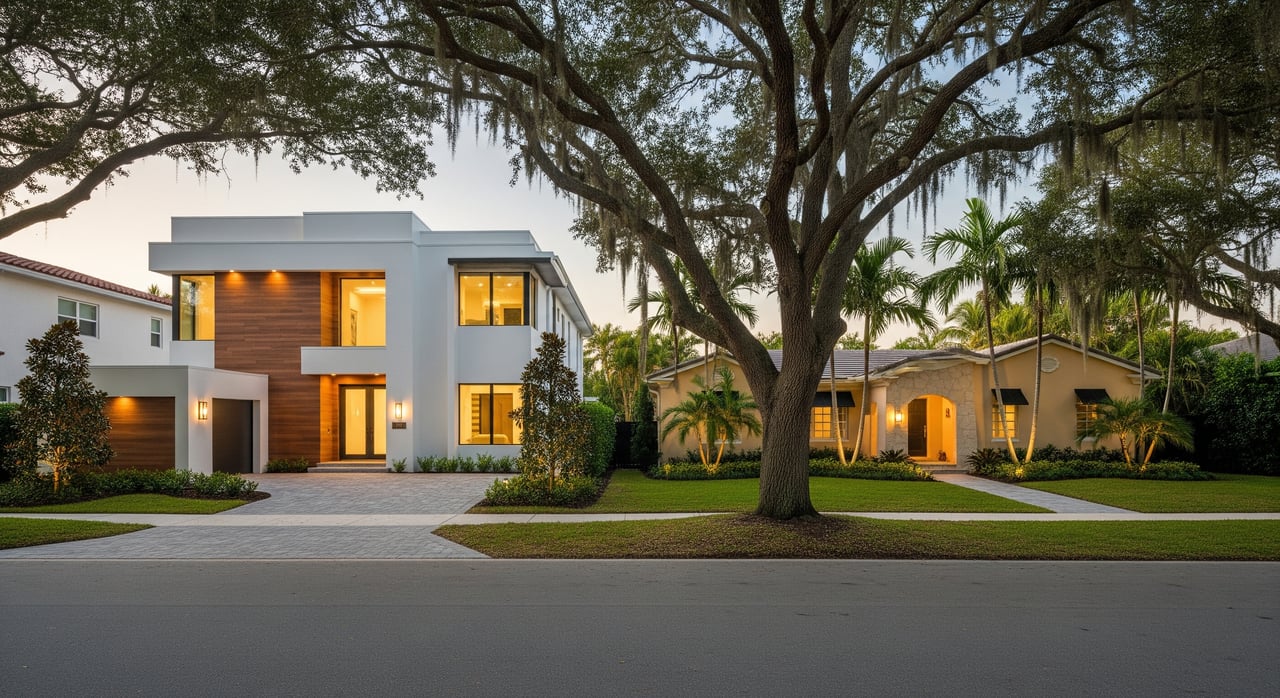
New Construction vs Resale in Coral Springs
December 18, 2025
December 18, 2025
Trying to choose between a brand-new home and a resale in Coral Springs? You are not alone. It is a big decision that affects your budget, timeline, insurance, and long-term comfort. In this guide, you will learn how both options stack up in Broward County, what to watch for with Florida’s building codes and insurance, and the key steps to take before you commit. Let’s dive in.
Coral Springs is a suburban city in Broward County, set inland from the beach cities of Fort Lauderdale and Pompano Beach. You will find a mix of single-family homes, townhomes, and condos, with neighborhoods built across different decades. Market conditions here reflect broader South Florida trends like regional job centers, out-of-state migration, and seasonal demand.
South Florida weather shapes housing decisions. Hurricanes, tropical storms, and heavy rain can impact both new and older homes. Building codes, insurance rules, and flood maps play a larger role here than in many other markets, so it pays to understand them early.
Builders set a base price, then add costs for lot premiums and upgrades. Incentives like closing-cost credits, appliance packages, or mortgage-rate buydowns may be available depending on inventory. Contracts are builder-written, so terms and contingency rights often differ from standard real estate contracts. Review deposit, refund, and change-order policies in detail before you sign.
Resale pricing is driven by comparable sales and current inventory. You can negotiate based on inspection findings, appraisal, and financing terms. Standard contingencies are common and offer protection if the inspection or appraisal raises issues.
Move-in depends on build stage. Quick-delivery or spec homes can be ready sooner, while build-to-order homes may take many months. Delays happen, so ask for realistic schedules and what happens if the builder misses a target date. Confirm that the final Certificate of Occupancy is issued before closing and get a clear plan for punch-list items.
If you need to move in soon, resale is often the safer bet. Most resales follow a standard closing timeline after inspections, appraisal, title work, and financing. This predictability helps relocators and seasonal buyers who have firm deadlines.
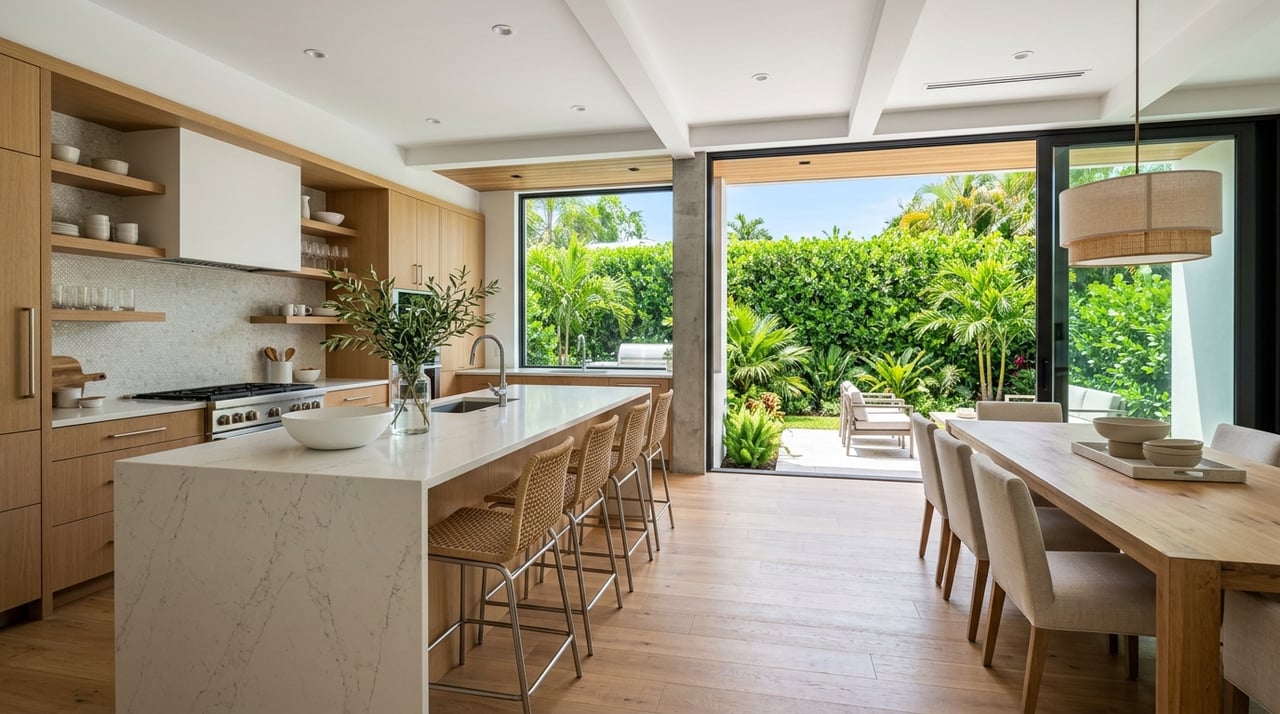
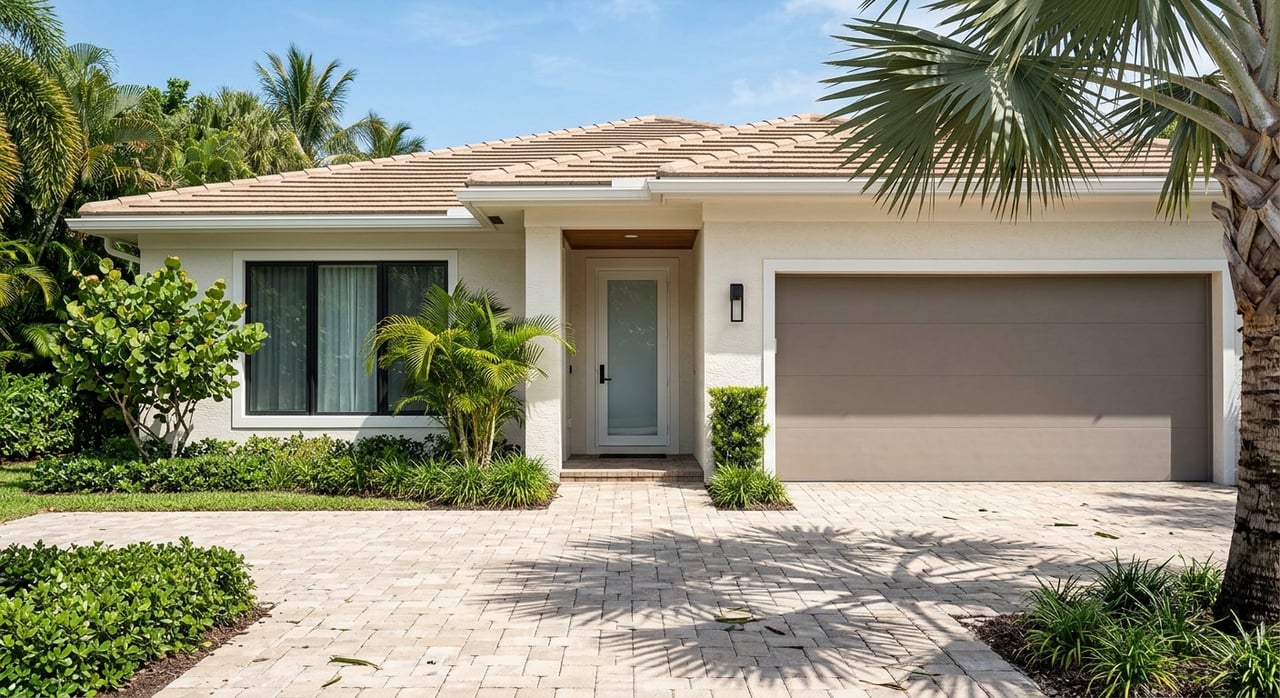
New builds are designed to current Florida Building Code standards, which influence wind resistance, roof attachment methods, and impact protection. You typically get modern HVAC efficiencies, smart-home wiring, and energy-conscious materials. You can personalize finishes and sometimes layouts, so you start with a home that fits your lifestyle from day one.
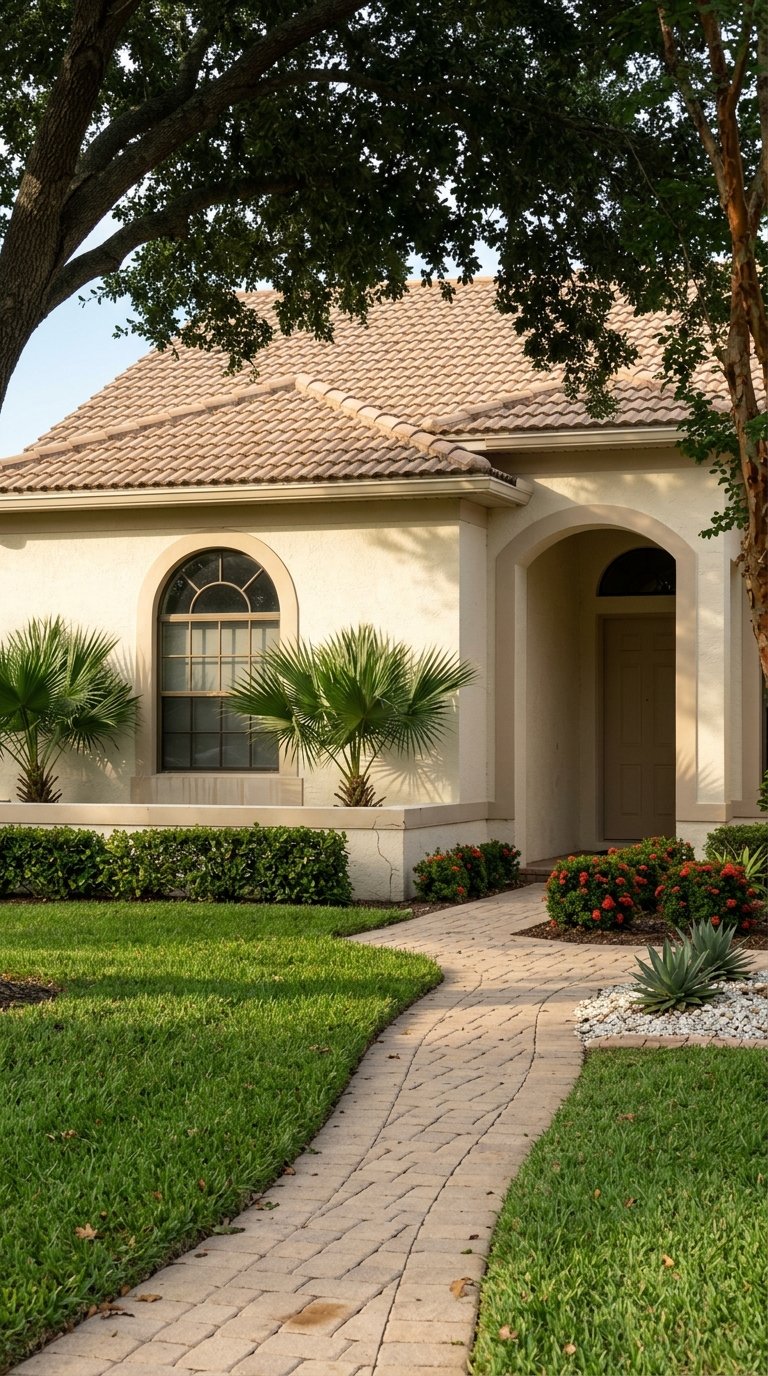
Resale homes sit in mature neighborhoods with established landscaping and community character. You may find larger lots or distinctive floor plans. You also get a performance history, including maintenance records and past utility usage. Renovations can add value over time, especially when guided by local comparable sales.
Most builders provide a combination of manufacturer and builder warranties. These can include short-term systems coverage and longer structural coverage. While immediate maintenance needs are lower, take inspections seriously and document all punch-list items before closing. Clarify how to submit warranty claims and expected response times.
Older homes can come with near-term costs like roof replacement, HVAC upgrades, or window and door retrofits. These factors can be negotiation leverage. You can also purchase a home warranty for systems coverage during your first year. Make sure past renovations were permitted and closed out so you do not inherit a future problem.
Florida’s insurance market evaluates roof age, impact protection, and code compliance closely. Newer homes built to current code and equipped with impact-rated openings may receive better underwriting treatment. Older roofs or non-impact windows can increase premiums or trigger required upgrades.
Get quotes early in your search. Confirm that documentation like roof permits, wind-mitigation reports, or elevation certificates will satisfy lender and insurer needs. Starting this process early can prevent surprises that delay closing or change your budget.
New homes sometimes carry a premium for modern features. In the short term, value can soften if many similar new homes are competing nearby. Over time, appreciation depends on build quality, location, and neighborhood demand.
Resale value is also location-specific. Street position, lot characteristics, and local sales trends all matter. Use current comparable sales from the local MLS and consider neutral factors like school zoning and commute access when assessing long-term value.
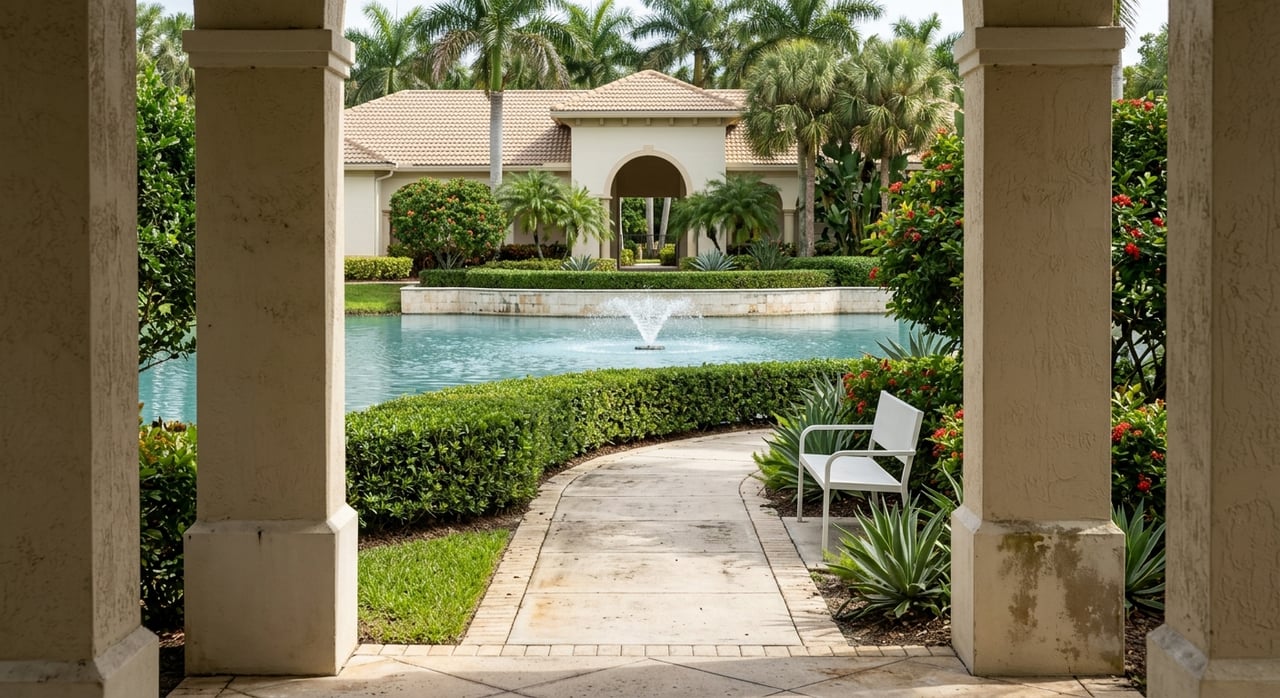
Many new communities include amenities like pools and clubhouses and have homeowner associations that set rules and collect assessments. Review HOA rules, reserve funds, budgets, and any planned special assessments before you buy.
Resale neighborhoods may have fewer restrictions and mature trees and landscaping. If a resale is in an HOA, read meeting minutes and recent budgets to understand the community’s maintenance standards and financial health.
Florida property taxes are assessed by county, city, and school authorities. If you plan to occupy the home as your primary residence, research homestead exemption and the Save Our Homes assessment cap to understand how your tax assessment could be limited over time. Ask your agent to pull the current tax record and discuss how a change of ownership might reset assessed value.
You deserve a smooth, informed process. A local expert can help you compare total cost of ownership, spot red flags in builder and HOA documents, and negotiate credits or upgrades that fit your goals. You also gain access to early and off-market opportunities, plus a clear plan for inspections, insurance, and closing timelines.
With deep experience in Coral Springs and northern Broward, our team guides you through each step, from selecting the right neighborhood to coordinating inspections and warranty follow-up. When timing and details matter, having an advocate who knows the local code, insurance realities, and community dynamics makes all the difference.
Ready to compare specific homes or communities with a clear plan? Connect with Beverly Shanahan to map your best path forward.
Stay up to date on the latest real estate trends.


Get assistance in determining current property value, crafting a competitive offer, writing and negotiating a contract, and much more. Contact Beverly today to discuss all your real estate needs!