Coral Springs Housing Trends 2026: Seller Insights
March 5, 2026
March 5, 2026
Thinking about selling your Coral Springs home this year? The market is not the sprint it was in 2021. Prices are holding, but buyers are more selective and homes often take longer to go under contract. In this guide, you will see what is actually happening in Coral Springs right now and how to use that information to price, prep, and market your home for a smooth, strong sale. Let’s dive in.
As of early 2026, city data shows a median sold price in the mid-$500Ks and typical market times closer to several months than a few weeks. Redfin’s Coral Springs page reported a median days on market roughly in the 90 to 120 day range in early 2026, with sale-to-list ratios in the mid-90s percent. That means most homes are selling a bit under asking on average. When you quote a figure, be clear whether it is a median sold price or a median listing price, since portal listing medians can skew lower due to condo mix.
Financing is helping more buyers re-enter the market. The national 30-year mortgage rate ticked down into the low 6 percent range in February 2026, with a reported 6.09 percent on February 12, 2026. This improves purchasing power compared with 2024, but it is still higher than 2019 to 2021, so expect price-sensitive buyers. You can see that trend in the latest rate update from Nasdaq’s coverage of the Freddie Mac survey.
Broward County supply levels explain a lot about how Coral Springs behaves. Recent county data shows single-family months of supply sitting near a balanced to lightly seller-leaning range, while condominiums carry much higher inventory. According to the MIAMI REALTORS January 2026 release, single-family supply was around 4 to 5 months, and condo supply was near double digits in many areas. If you are selling a condo, plan on sharper pricing and more time on market.
Cash also plays a bigger role in Broward than in many U.S. markets. County reports point to an elevated share of cash transactions, which can shorten timelines and reduce financing risk for sellers. If your home appeals to investors or second-home buyers, tailor your marketing and terms accordingly with these buyers in mind.
Buyer mix has shifted. National reporting on the NAR Profile shows fewer first-time buyers and more repeat buyers using equity. In South Florida, that often translates into move-up buyers and relocators with larger down payments or cash. Redfin search data has shown meaningful inbound interest from out-of-state metros such as New York and Washington, which supports a marketing plan that highlights lifestyle, schools, commute options, and neighborhood amenities.
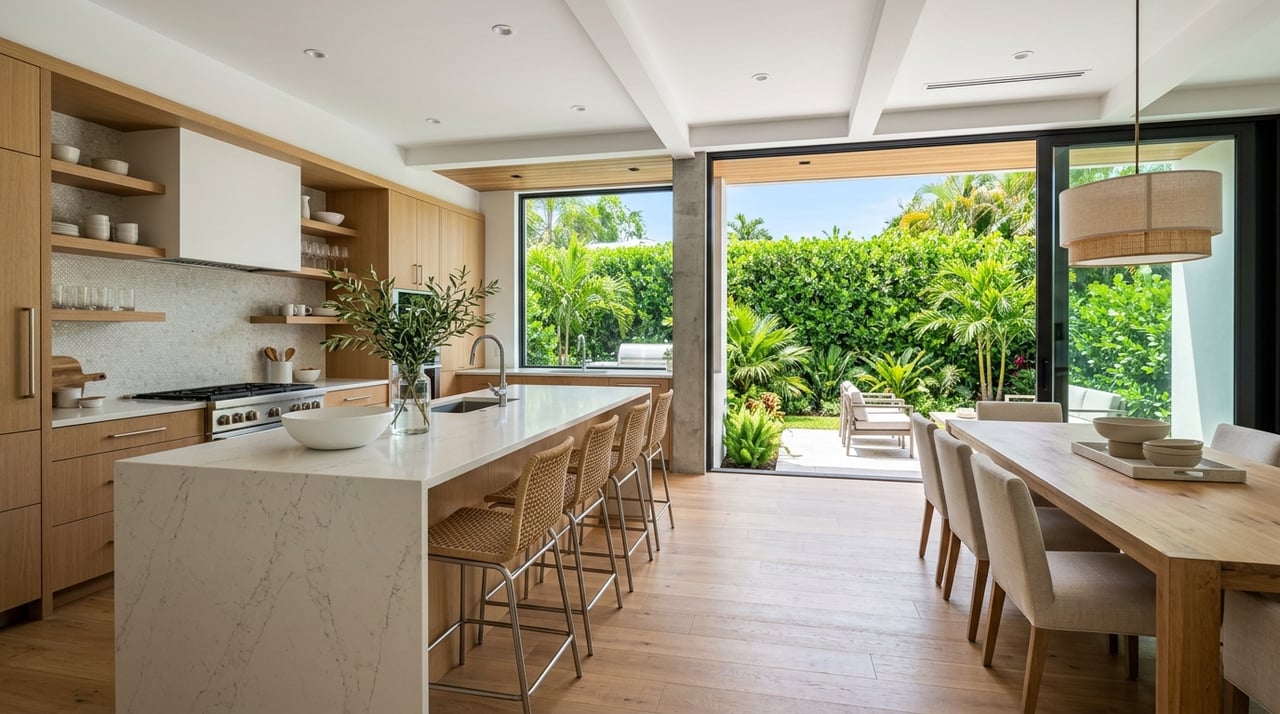
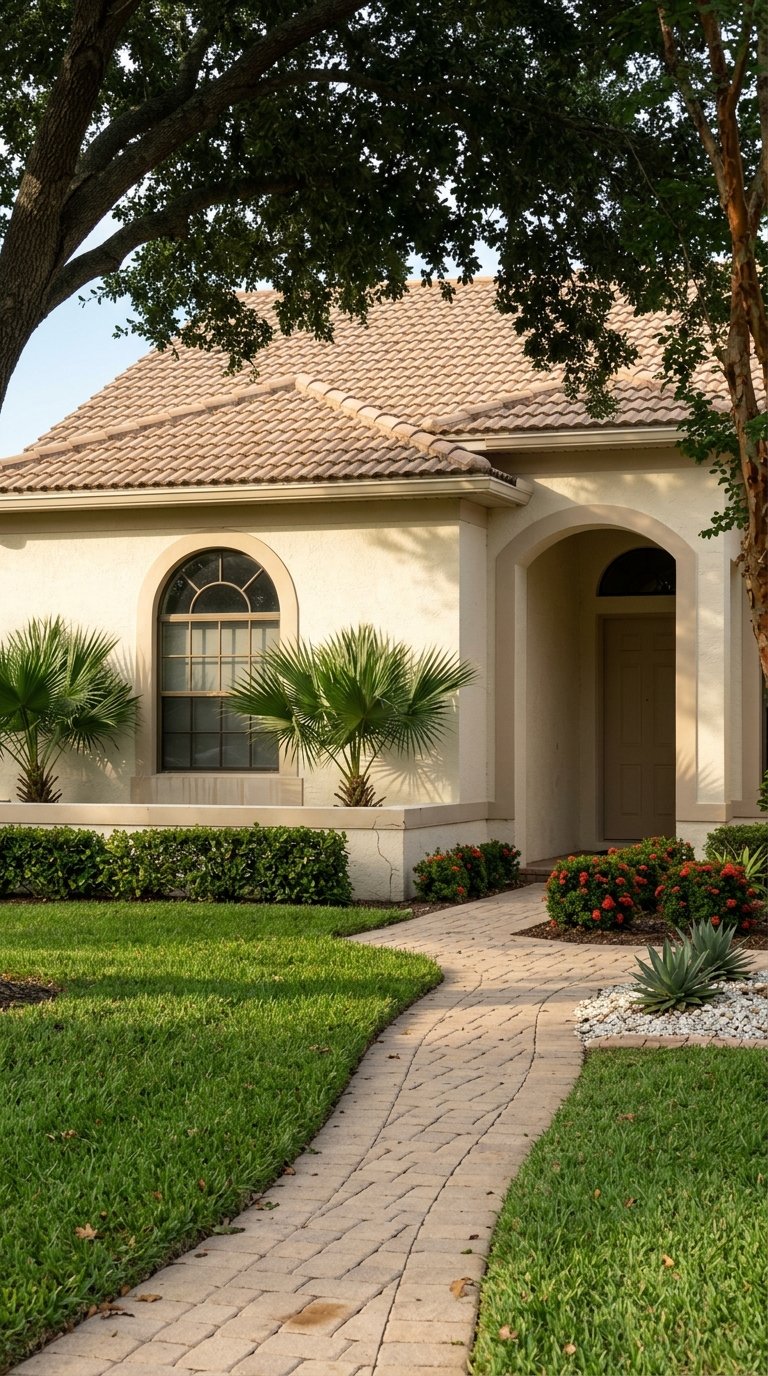
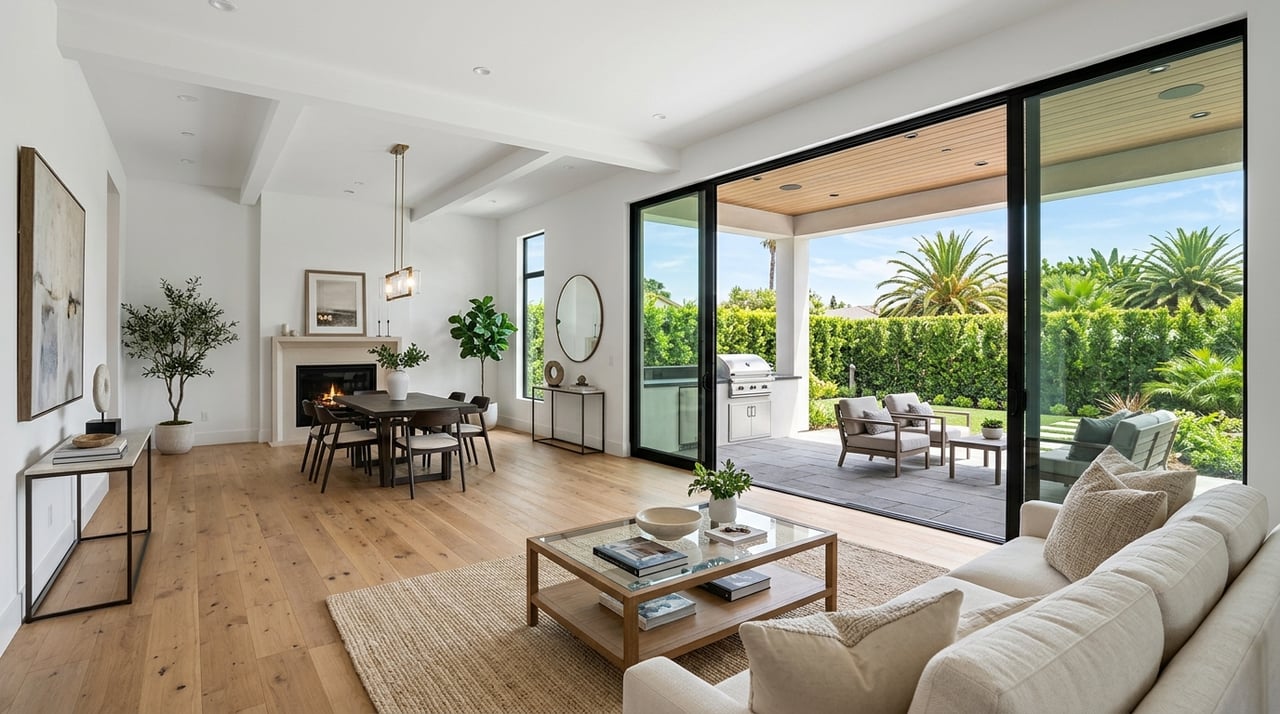
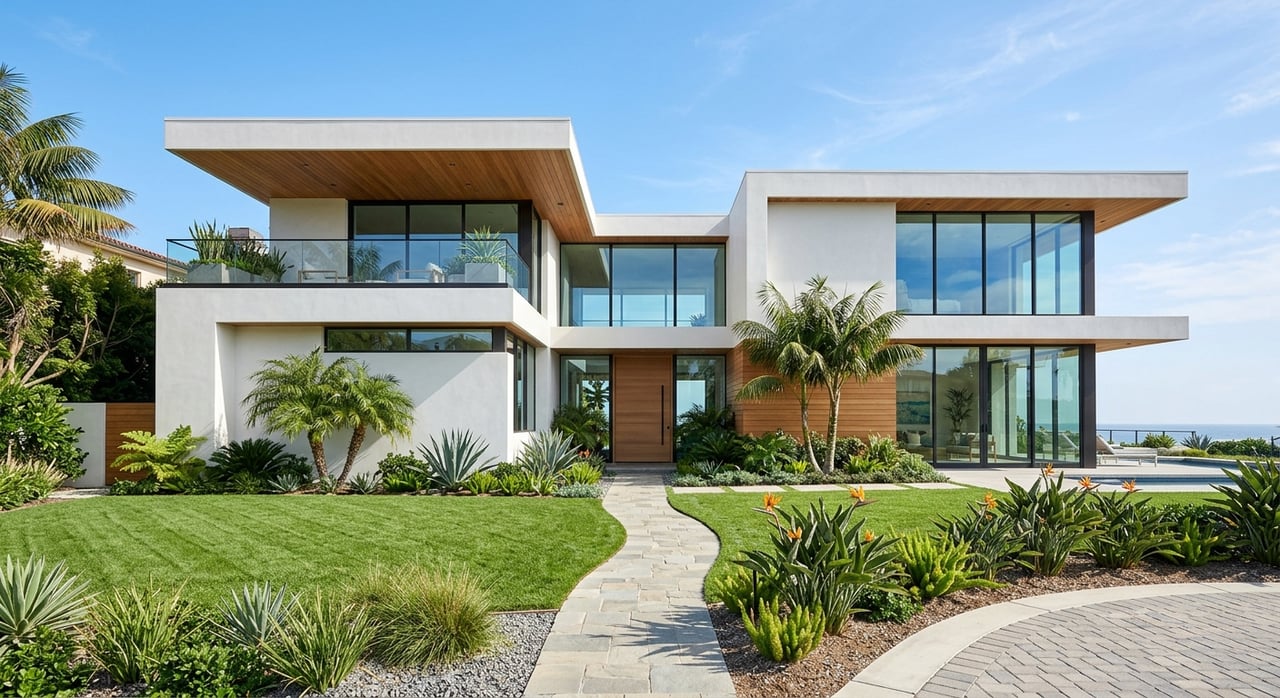
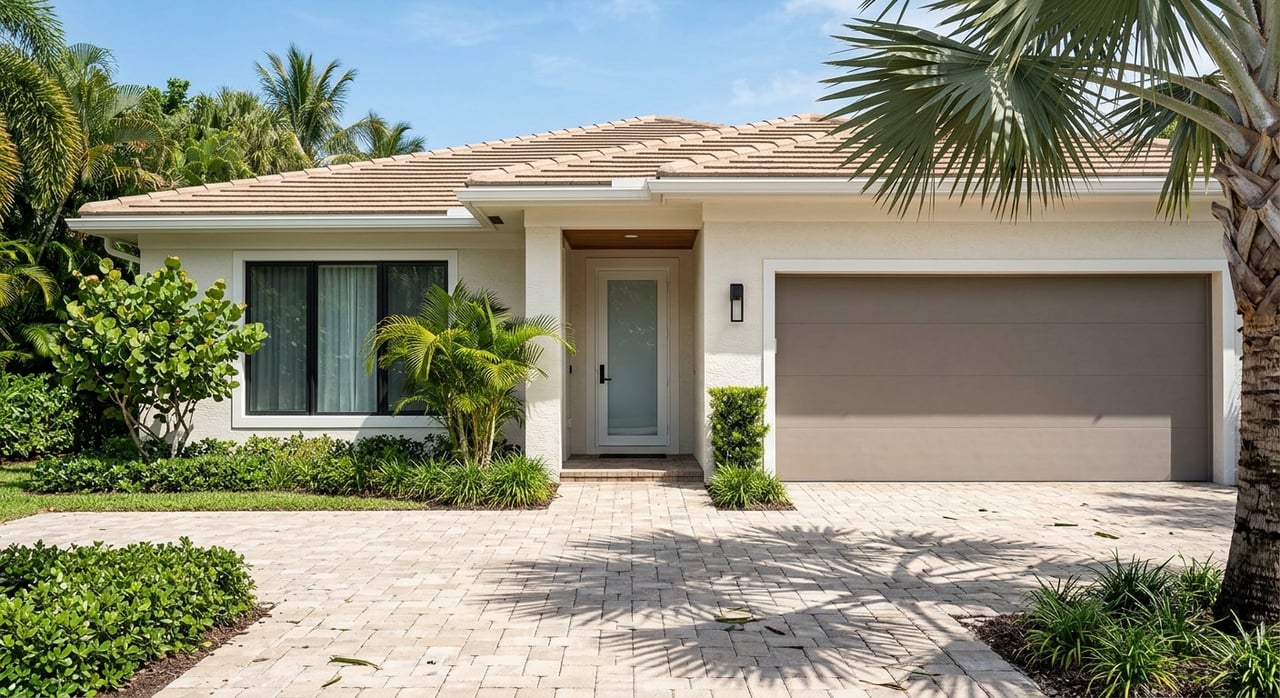
Buyers pay a premium for move-in-ready homes with updated kitchens and baths, flexible spaces for work or hobbies, and usable outdoor areas like patios or screened lanais. In Florida, roof age, wind-mitigation features, and insurance-friendly systems also matter. Staging is a simple lever that helps your home show as clean, bright, and well cared for. Prioritize neutral paint, decluttering, curb appeal, and pro photography before you spend on major remodels.
Coral Springs is a mix of housing types and price points. Entry-level condos and townhomes cluster at lower price ranges, mid-range single-family homes commonly land in the mid to upper hundreds of thousands, and larger or gated single-family homes can extend into seven figures. Because the city is not uniform, neighborhood-level comps are more important than broad city averages. When you cite a number, label it clearly as a listing median or a sold median and include the month and year.
City-level days on market hovered near 90 to 120 days in early 2026. Well-priced, well-presented homes in popular single-family neighborhoods can still move faster. Higher-priced homes or properties needing updates may sit longer and see one or more price adjustments. The sale-to-list ratio in the mid-90s percent is a useful anchor when setting your initial list price and planning for potential negotiation.
Condo and single-family sellers are not facing the same market. County data shows single-family supply near balance, while condos carry much higher inventory. If you are listing a condo, set expectations for a longer marketing window, emphasize move-in readiness, and price with more competition in mind. If you are listing a single-family home, demand is steadier, but buyers still expect realistic pricing and clean presentation.
For both property types, shorten friction by having disclosures ready, scheduling pre-list showings in an organized way, and offering reasonable response times. Small conveniences can improve buyer confidence and momentum.
Rates have trended lower than last year, which helps, but your result will still come down to pricing, condition, and supply in your segment. The national 30-year rate sat near 6.09 percent on February 12, 2026, according to Nasdaq’s report on the Freddie Mac survey. That can widen your buyer pool, though it does not replace smart local pricing. If you want to optimize timing, watch monthly Coral Springs MLS updates, Broward County supply levels, and weekly rate moves as you approach your go-live date.
You deserve a plan tailored to your property, your timeline, and your goals. Our approach blends local market mastery with premium presentation, from preparation and pricing to targeted outreach that reaches the right buyers. With more than 25 years in South Florida and 1,500-plus closed sales, we bring the systems, market knowledge, and negotiation strength you need to sell well in today’s Coral Springs market.
Ready to talk strategy for your home? Schedule a Free Consultation with Beverly Shanahan and get a data-backed plan for timing, pricing, and prep.
Stay up to date on the latest real estate trends.
Get assistance in determining current property value, crafting a competitive offer, writing and negotiating a contract, and much more. Contact Beverly today to discuss all your real estate needs!