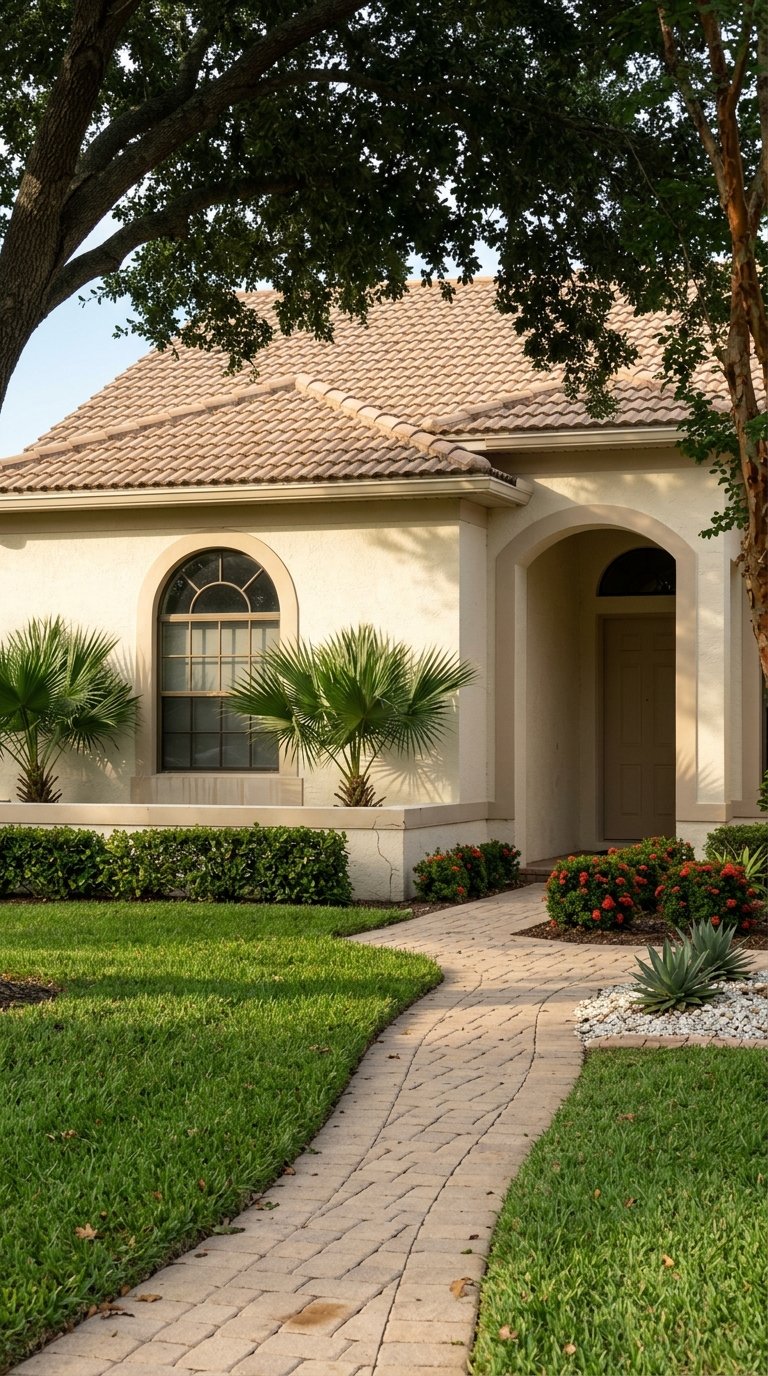
Parkland Newer vs Established Neighborhoods and Amenities
June 18, 2026
June 18, 2026
Choosing between a newer neighborhood and an established one in Parkland is not just about the age of the homes. It is about how you want to live day to day, what kind of amenities matter most to you, and how much predictability you want from the community around you. If you are trying to narrow down your options in Parkland, this guide will help you compare the real differences so you can make a more confident move. Let’s dive in.
Parkland is a largely owner-occupied market, with an 85.9% owner-occupied housing rate and a median owner-occupied home value of $896,300 based on U.S. Census Bureau QuickFacts data from 2019 through 2023. That tells you something important right away. Many buyers here are looking for long-term value, lifestyle fit, and a neighborhood that supports how they want to live over time.
Parkland also offers strong citywide recreation. The city highlights 11 parks along with its trail system, and its Parks & Recreation information points to places such as Pine Trails Park, Barkland Dog Park, Liberty Park, the Equestrian Center at Temple Park, and Wedge Preserve Park. Because of that, your decision is usually less about whether Parkland has amenities and more about which private community experience fits you best.
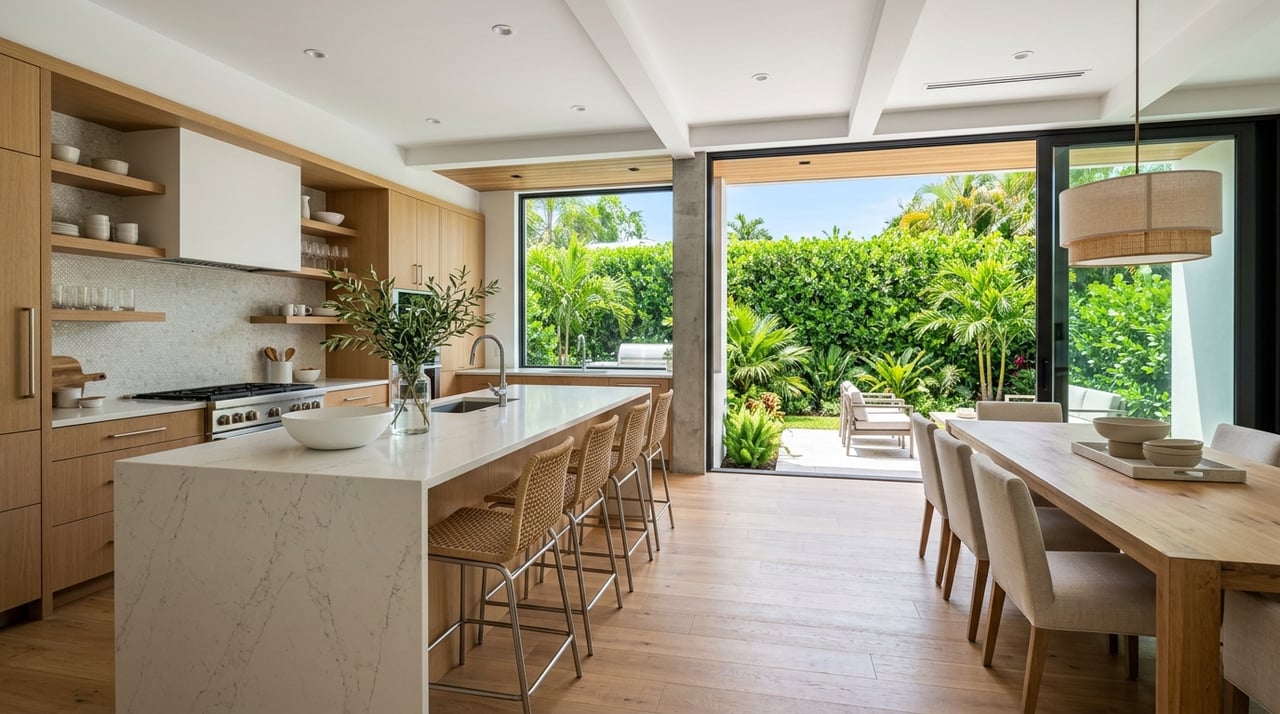
Newer neighborhoods in Parkland often appeal to buyers who want more current layouts, newer systems, and a polished, planned look from the start. These communities also tend to lean into resort-style amenity centers, with features designed to support daily convenience and recreation close to home.
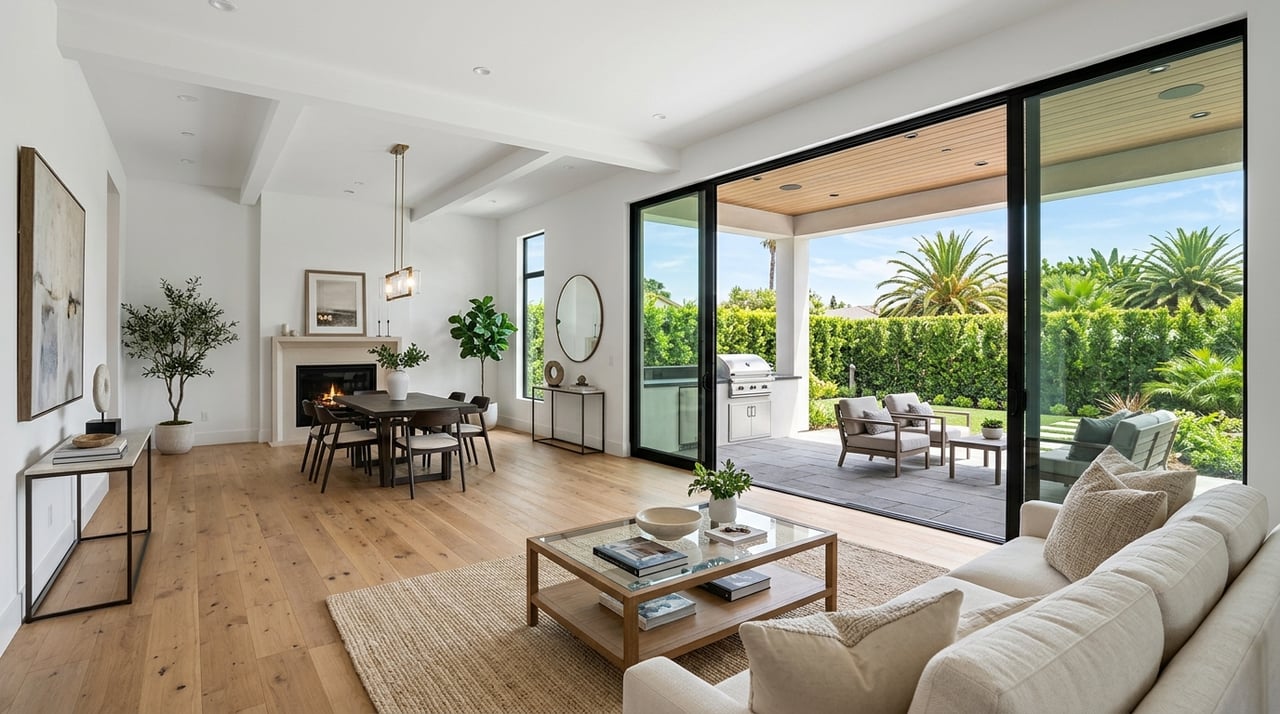
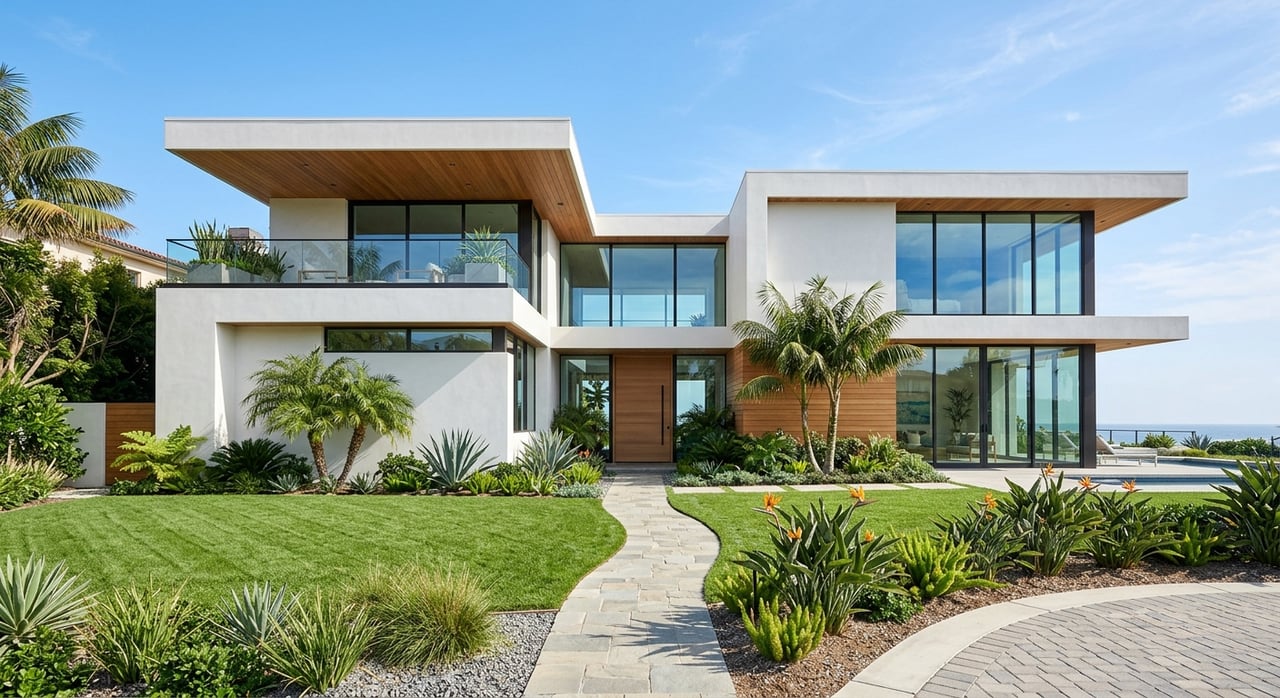
In many cases, newer communities also show more consistent design across the neighborhood. That can create a cleaner visual feel, especially if you like coordinated architecture, updated exterior styles, and homes built around more modern living patterns.
Newer Parkland communities tend to emphasize:
Watercrest at Parkland is a strong example. It opened in 2013 as a 288-acre master-planned community with 12 home designs across three collections, one- and two-story floorplans, open spaces, and a lakefront amenity center planned with a pool, splash park, fitness room, steam rooms, cabanas, an amphitheater, and tennis and basketball courts.
MiraLago at Parkland also reflects this newer-community style. Lennar described the homes as offering Mediterranean accents with Florida coastal living, oversized homesites, three- to six-bedroom homes, impact windows, home automation, and amenities such as a grand pool, spa and sauna, fitness center, tennis, basketball, playgrounds, and tot lots.
Parkland Royale shows what today’s new-home options can look like in Parkland. Lennar describes gated single-family homes with up to five bedrooms, bonus rooms, and three-car garages, along with future amenities including a clubhouse, resort-style pool, and parks.
If you want a neighborhood where amenities feel like an extension of your home, newer communities may stand out. Clubhouses, fitness spaces, pools, splash areas, sports courts, and social gathering features are often part of the appeal.
Parkland Bay is a useful example of how this plays out. HOA materials describe a clubhouse, pool, fitness center, tot lot, multi-sport courts, fire pit, bar area, culinary kitchen, lakes, a park, and a walking trail. The same materials also show that common grounds and irrigation are centrally managed, which can simplify upkeep for homeowners.
The tradeoff with newer neighborhoods is often structure and process. If you want to make exterior changes later, you may be working within a more formal approval system.
For example, Parkland Bay’s architectural review materials say changes such as fences, patios, pools and spas, solar panels, and landscaping additions require written approval with supporting plans or surveys, and the HOA says processing takes about 30 days. That does not make newer communities better or worse. It just means you should understand the rules before you buy.
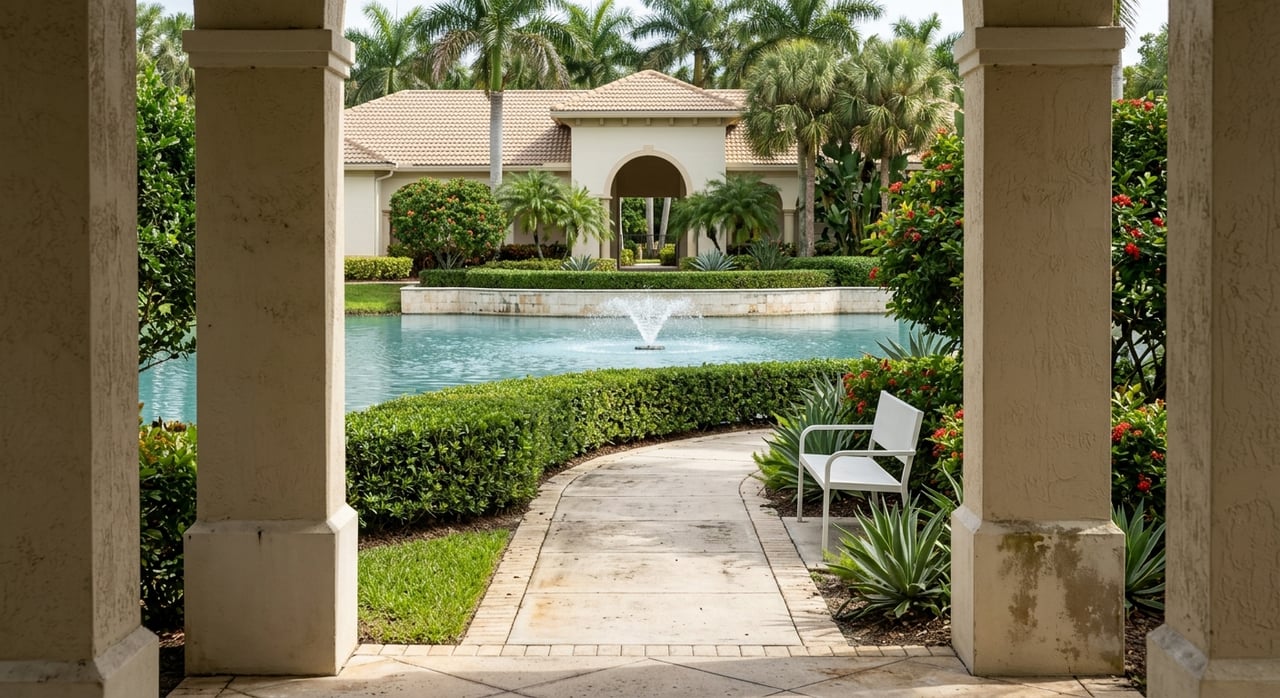
Established neighborhoods in Parkland often attract buyers who value mature landscaping, a more settled neighborhood identity, and a clearer picture of how the community functions over time. In these neighborhoods, the amenities are usually not theoretical or still rolling out. They are already in place, and you can evaluate how they are maintained and used.
This can be especially helpful if you prefer fewer unknowns. You can often get a better sense of traffic flow, landscaping maturity, amenity upkeep, and how the HOA operates in practice.
Established Parkland neighborhoods often stand out for:
Heron Bay is one of the clearest examples. According to the HOA, waterways were carved out beginning in 1995 and the final phase was completed in 2005. The community is built around a Coastal Living architectural theme, with styles including Salt Box, Gambrel-Roof, Late Colonial, Early Federal, Greek Revival, Victorian, Colonial Revival, Shingle, and Craftsman Bungalow.
Heron Bay also offers a broad established amenity mix. The HOA lists a pavilion, heated pool, bocce, sports courts that can convert to pickleball, a playground, disc golf, and a dog park and walking trail. The HOA also says it handles common-property landscaping, street repaving, dead trees, and amenity upkeep.
If you are looking for a private club environment rather than a newer master-planned rollout, an established community can offer a more fully formed lifestyle. You are not guessing what the community may become. You are evaluating what is already there.
Parkland Golf & Country Club fits that description. Its official materials describe a private resort-style community with two clubhouses, dining, golf, fitness and wellness, racquet sports, resort-style pools, family programming, and year-round social events. The Sports Club brochure adds a roughly 43,000-square-foot club, spa services, tennis courts, children’s activity programming, aquatic areas, fitness studios, and event and dining spaces.
Established does not mean unregulated. Exterior changes may still require review, and community standards can be detailed.
Heron Bay, for example, says all exterior modifications are subject to HOA review, and its board and property manager handle architectural reviews and inspections. The difference is that in many established neighborhoods, you can more easily see how those rules have played out over time.
A common mistake is assuming newer neighborhoods have amenities while established ones do not. In Parkland, that is not really the comparison. Many established communities also have extensive amenities, and in some cases those amenities are broader and better understood because they have been in use longer.
A better question is this: do you want amenities with a newer resort feel, or do you want amenities with a longer operating history and a more established rhythm? That shift in thinking can help you compare communities more clearly.
It also helps to separate private neighborhood amenities from public amenities across Parkland. The city’s network of parks and trails is available no matter which community you choose. That means your neighborhood decision often comes down to the private lifestyle layer on top of Parkland’s broader recreation system.
If you love having parks, trails, and outdoor spaces nearby, both newer and established neighborhoods can work well. The more specific choice is whether you want a club-style HOA setting, a mature community setting, or a newer planned community with fresh amenities and newer home features.
Beyond amenities, home age can shape your ownership experience. In a newer home, one of the practical benefits may be builder warranty coverage.
The Federal Trade Commission says a builder warranty generally covers permanent parts of the home, and most newly built homes come with one. Typical coverage is one year for workmanship and materials on most components, two years for HVAC, plumbing, and electrical systems, and up to 10 years for major structural defects.
With an existing home, that type of builder warranty may not be in place. In that situation, buyers are often comparing the condition of the home, the age of major systems, and the likelihood of near-term repairs more closely.
That is why your choice may come down to more than appearance. A newer home may offer more peace of mind on systems and construction age, while an established home may offer a setting and community character that feels more settled from day one.
The right choice depends on what you value most in your next move. Neither newer nor established is automatically better in Parkland. It is about matching the community to your priorities.
If you are weighing both sides, ask yourself:
For many buyers, the answer becomes clearer once they tour both types of neighborhoods. What feels ideal on paper can shift once you see the amenities, streetscapes, lot layouts, and overall feel in person.
In Parkland, the choice between newer and established neighborhoods is really a choice between two strong lifestyle models. Newer communities often bring newer systems, more uniform design, and amenity centers with a fresh resort feel. Established communities often bring mature landscaping, a more settled identity, and amenities with a proven history of use and upkeep.
Because Parkland already offers citywide parks and trails, you are not choosing between convenience and lifestyle. You are choosing which private community experience fits your goals, routines, and long-term plans best. If you want help sorting through those differences neighborhood by neighborhood, Beverly Shanahan can help you compare options and move forward with clarity.
Stay up to date on the latest real estate trends.
Get assistance in determining current property value, crafting a competitive offer, writing and negotiating a contract, and much more. Contact Beverly today to discuss all your real estate needs!