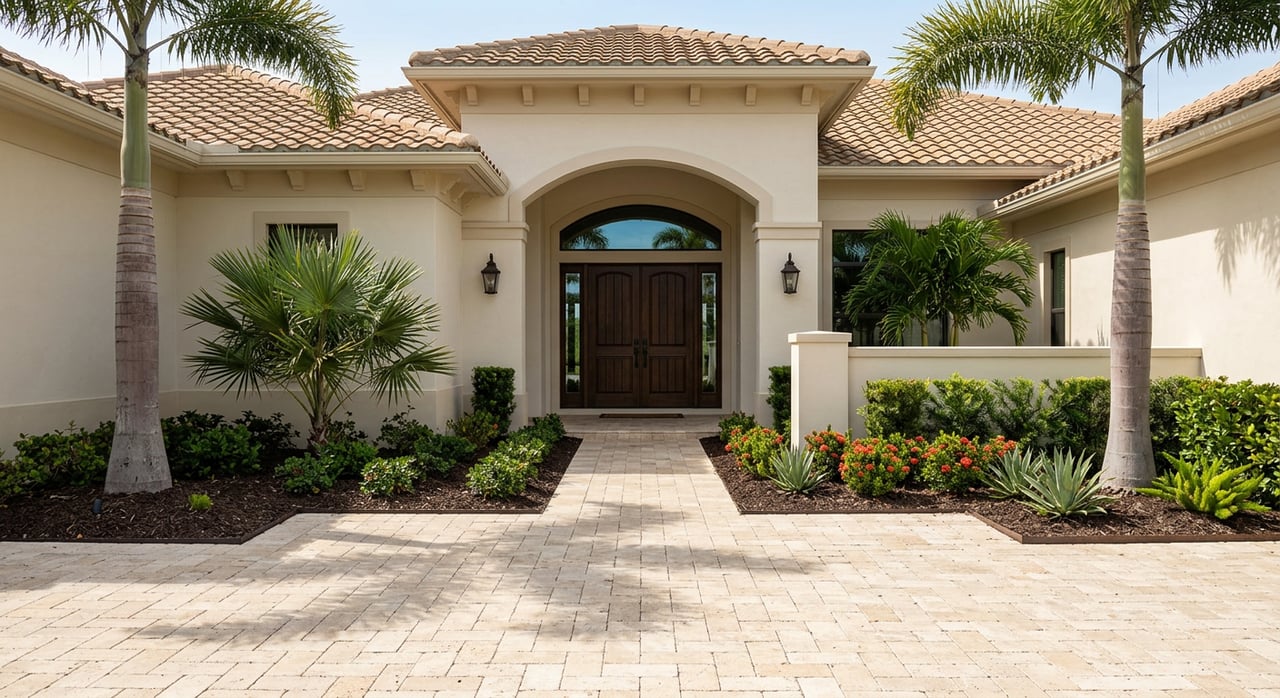
Guide to Buying Boca Raton Country Club Homes
March 24, 2026
March 24, 2026
Are you drawn to the golf, fitness, and social lifestyle that Boca Raton’s country-club communities deliver, but unsure how memberships, fees, and approvals work? You are not alone. Club rules and costs vary by neighborhood, and the details can shape your budget, timeline, and resale strategy. In this guide, you will learn how memberships are structured, what to budget, which documents to review, and the steps that help you close smoothly. Let’s dive in.
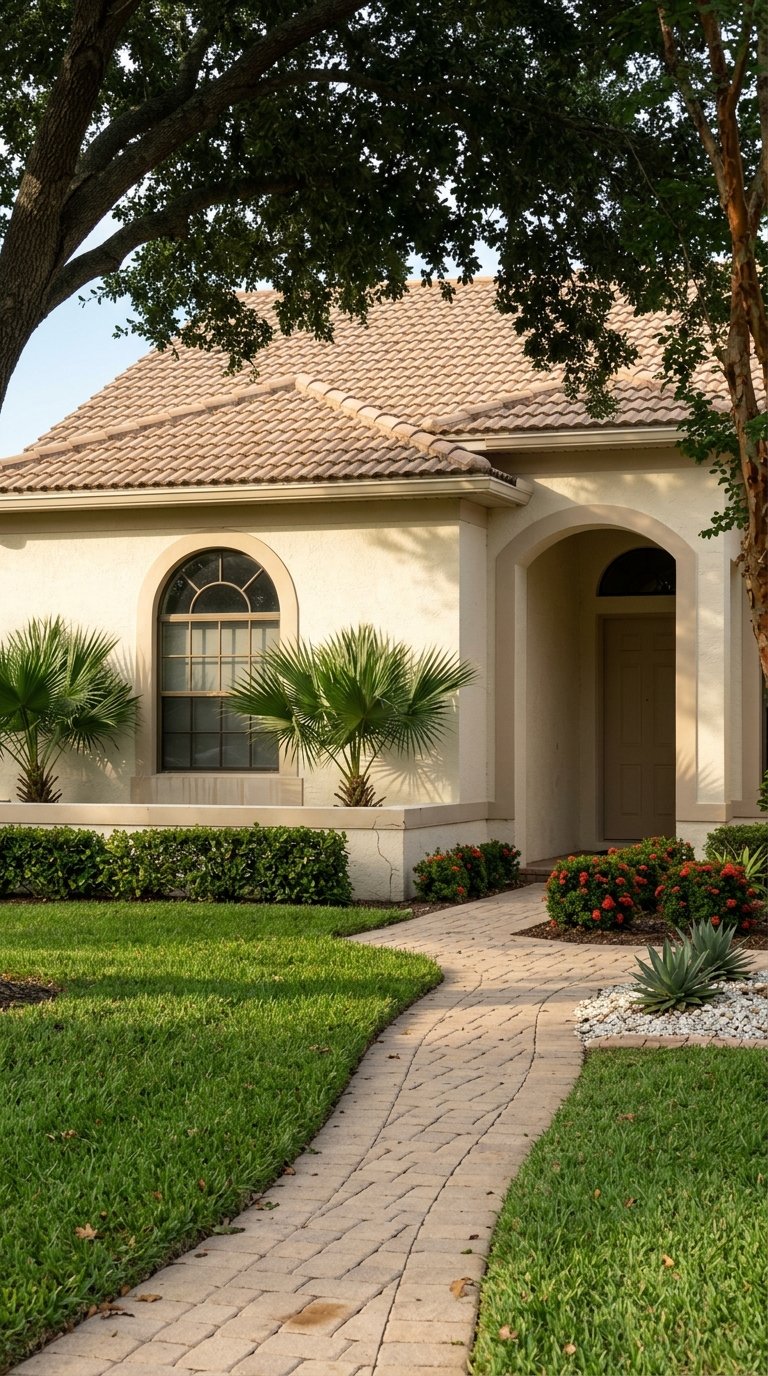
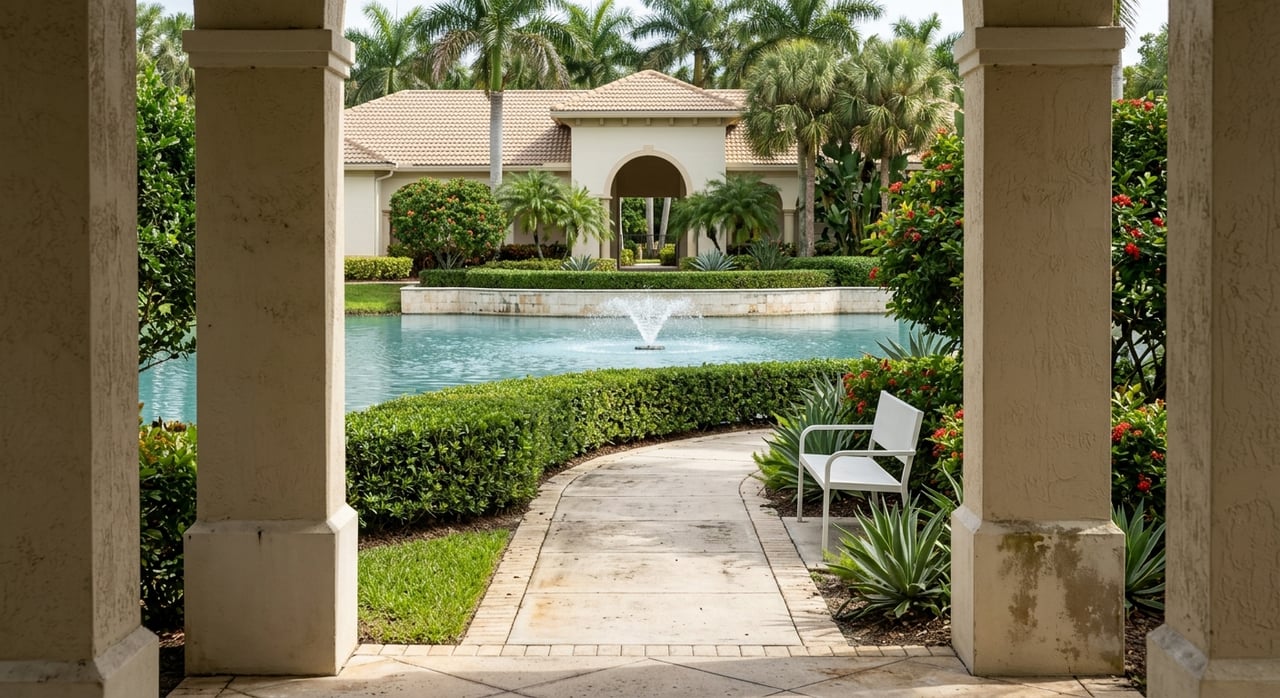
Country-club communities in Boca Raton and greater Palm Beach are private, gated neighborhoods built around a resident-focused club. You typically get golf, tennis and pickleball, full fitness and spa, dining, and an active social calendar. Popular options buyers consider include Boca West Country Club, The Polo Club of Boca Raton, Broken Sound Country Club, Woodfield Country Club, Boca Pointe, and boutique clubs such as Bocaire and Boca Lago. Each community sets its own membership rules and fees.
To get a feel for the lifestyle and programming, review the Boca West Country Club fact sheet, which summarizes amenities and membership at a high level. You can also see how a mandatory resident membership program works by browsing the Woodfield resident membership overview.
Some Boca communities require membership to own a property inside the gates. Others offer optional membership. If membership is mandatory, you will have an upfront initiation fee and ongoing dues in addition to HOA or condo assessments. This can affect total cost, financing, and resale dynamics because the buyer pool is narrower.
In equity clubs, members hold a form of ownership interest in the club. Some equity programs refund a portion of the initiation when you resign under specific rules. Non-equity clubs sell access without ownership rights. Policies on refundability, transferability, and voting rights differ by club. Review a club brochure that outlines equity versus access-focused tiers to understand how these programs are structured: equity versus non-equity membership models.
Budget for the following, separate from your HOA or condo dues:
Published examples show that initiation fees can range from the tens of thousands into six figures at top-tier clubs. Annual dues for full family packages commonly sit in the low-to-mid five figures, while social or sports tiers usually cost less. Treat any published amounts as estimates and verify all numbers directly with the club.
If membership is mandatory, ask whether seller credits toward initiation or prepaid dues are customary and whether board approval is required before closing.
Club communities change your recurring budget. Build a model that helps you compare homes across neighborhoods in a like-for-like way. Here is a simple approach:
Sample illustration only, not a quote: if you modeled a $1.5 million home with an assumed mortgage payment, HOA dues, full-club family dues, estimated insurance, and typical maintenance, you might see a total recurring budget that materially exceeds a non-club home at the same price. Use this framework to compare communities and ask each club’s membership office to confirm exact current figures.
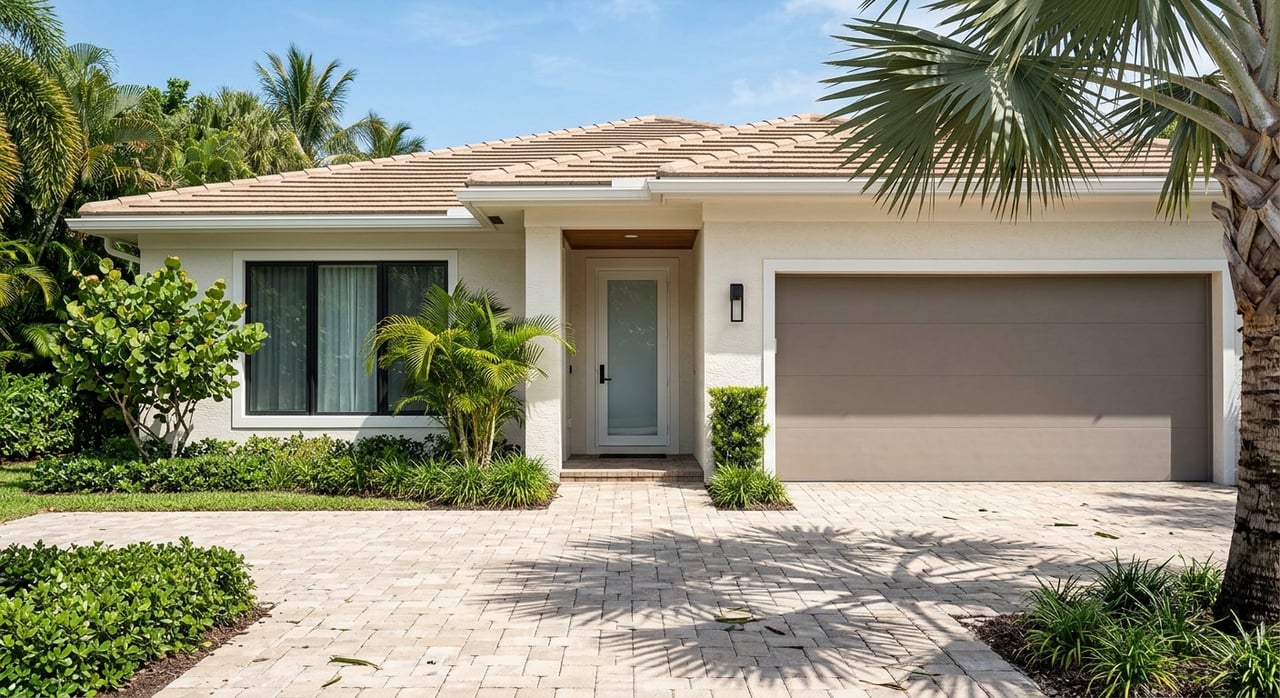
Homes in Boca club communities often showcase private heated pools, outdoor kitchens, covered loggias, manicured golf or water views, impact-rated glass or shutters, whole-house generators, multi-zone HVAC, and high-end kitchens. These features enhance daily living and resale appeal. They also shape your operating budget.
Ask the seller for recent invoices and vendor contracts for roof, pool, AC, and landscaping to model realistic ongoing costs.
Flood zones and elevation. Palm Beach County implemented updated FEMA flood maps in late 2024 that changed some base flood elevations and Special Flood Hazard Area boundaries. Always pull a property-specific FIRMette, request any existing Elevation Certificate, and ask your lender whether flood coverage will be required. Learn more in Palm Beach County’s update on flood zones.
Insurance planning. Florida’s property insurance market has seen changes in carrier participation and pricing. Obtain quotes early for homeowners, wind, and flood coverage, and confirm any association master policies. For statewide context, read the Florida Office of Insurance Regulation’s market update.
Community Development Districts. Some master-planned communities finance infrastructure through CDDs. These appear on your tax bill as non-ad valorem assessments and continue annually. Ask whether the property is inside a CDD and request the current schedule. A helpful primer is here: Community Development District overview.
Florida law requires associations to provide specific estoppel content within set timeframes and fee caps. Lenders and title companies use estoppels to confirm dues, fines, assessments, and transfer requirements. Ordering an estoppel late or relying on a stale figure can delay closing. Review the statute for context: Florida’s HOA estoppel statute (Chapter 720).
If you are buying a condo or a villa in a condo association, your lender will evaluate the project’s reserves, owner-occupancy, commercial exposure, delinquencies, litigation, and insurance. Projects that do not meet conventional standards may require portfolio or jumbo financing. Learn more in this overview of lender guidance on condo warrantability.
Many clubs require a separate membership application, references or interviews, and formal approval. Acceptance can take days to weeks. Clarify whether initiation is due at contract or closing, and build the approval window into your contingencies. Confirm whether a seller’s membership transfers or if you must join anew.
Mandatory membership narrows the buyer pool because of the added recurring cost and upfront buy-in. In soft markets this can pressure resale values relative to similar non-club properties. In strong markets the amenity premium often offsets those limits. The key is to model total recurring costs and match the home to your lifestyle horizon.
Use this checklist from contract to close:
Club membership packet. Request membership types, initiation amounts and refund rules, annual dues, food and beverage minimums, cart or trail fees, capital projects, guest and rental policies, and approval process with timeline. If membership is mandatory, add a membership-approval contingency that names the exact documents you will review. For a clear example of membership program structures, see this club membership brochure.
HOA or condo governing documents. Obtain the declaration, bylaws, rules, the current budget, recent financials, reserve study or summary, meeting minutes, insurance certificates, major vendor contracts, and any litigation disclosures. For condos, request milestone or engineering reports if applicable.
Estoppel or resale certificate. Order early and time the effective period to your closing. Review amounts due, special assessments, transfer fees, and approval requirements. See Florida’s framework here: Chapter 720 estoppel guidance.
Flood and insurance. Pull a FIRMette, request any Elevation Certificate, and secure sample homeowners, wind, and flood quotes. Start this early since coverage can affect both closing costs and lender approval. County update: Palm Beach flood maps.
Financing and project review. Ask your lender to pre-screen the association for warrantability and to confirm any condo questionnaire requirements. Read a primer on project eligibility and lending considerations.
Property specifics. Request recent roof, AC, pool, or generator invoices, open permit or code records, prior surveys, and any maintenance contracts. These help you quantify ongoing costs and negotiate repairs or credits.
Negotiation levers. When membership is mandatory, discuss negotiating for initiation credits, prorated dues, or prepaid assessments if needed to balance your budget and timeline.
A seasoned local agent does more than open doors. You should expect early triage on membership requirements, fast orchestration of association and club documents, a clear budget model that adds club costs, and proactive coordination with the club’s membership director, your lender, and title. Strong negotiation and finance experience can also help you structure credits that keep total cost aligned with your goals.
If you are weighing Boca Raton’s country-club options, connect for a one-on-one strategy session. With 25-plus years of local experience, premium marketing systems, and concierge-level buyer support, Beverly Shanahan will help you target the right communities, verify the fine print, and move confidently from offer to keys.
Stay up to date on the latest real estate trends.



Get assistance in determining current property value, crafting a competitive offer, writing and negotiating a contract, and much more. Contact Beverly today to discuss all your real estate needs!