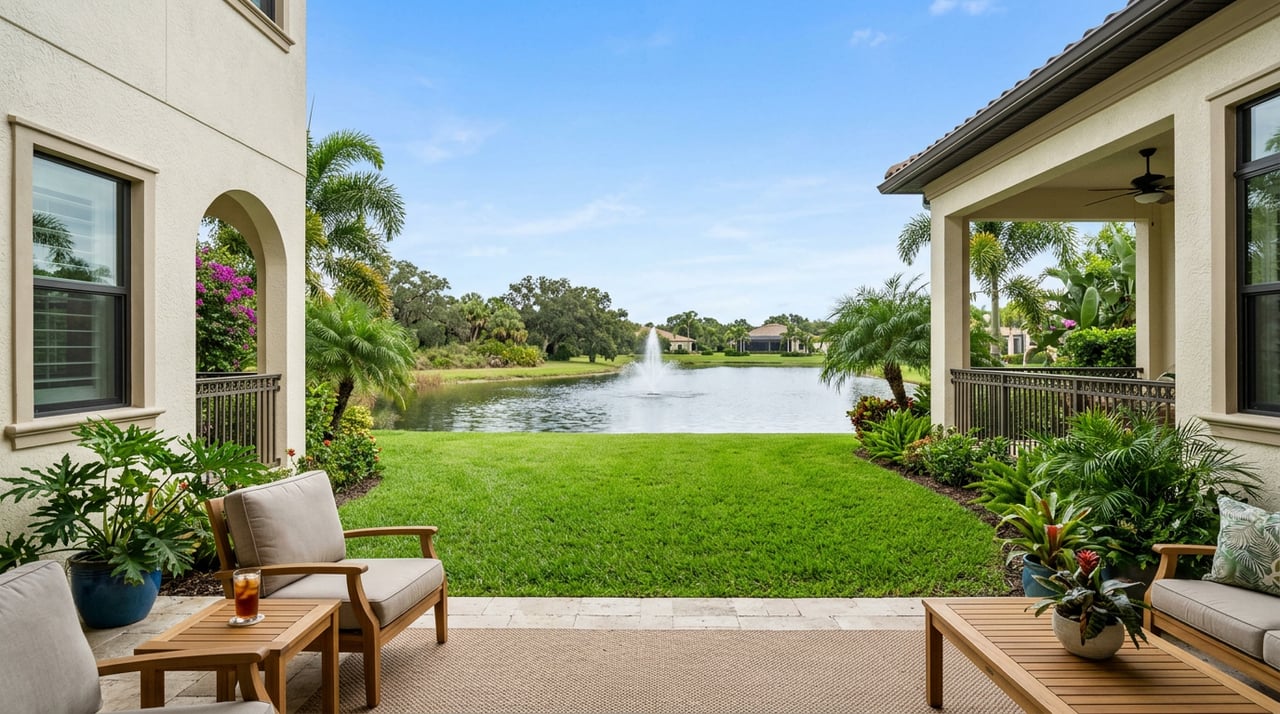
Parkland vs Coral Springs: How to Choose Your Ideal City
March 12, 2026
March 12, 2026
Choosing between Parkland and Coral Springs? You’re not alone. These neighboring North Broward cities each offer a strong lifestyle, but the day-to-day experience can feel very different once you live there. You want clarity on housing, prices, schools, parks, and commutes so you can make a confident choice. This guide walks you through the tradeoffs with local context, recent data, and practical checklists. Let’s dive in.
Both cities sit in northern Broward, yet they differ in scale and setting. Coral Springs is larger and more built out, while Parkland was planned to preserve a lower-density, park-like feel.
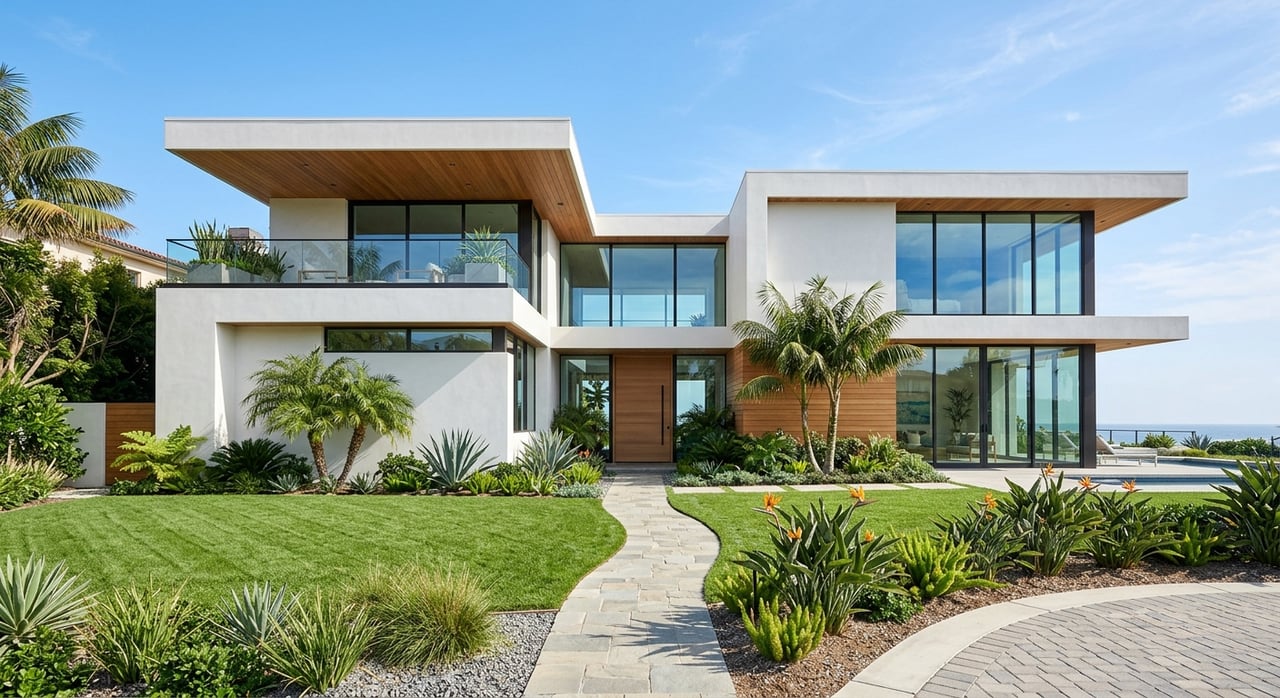
Parkland’s land-use rules were designed to protect a green, low-density setting with equestrian areas and larger lots. Expect fewer retail nodes, more open space, and many gated or master-planned communities. The city’s zoning code highlights the equestrian district and large-lot standards, which help maintain this setting over time. You can review the city’s code framework through the Parkland municipal land development references.
What you’ll see on the ground: mostly detached single-family homes, newer and rebuilt luxury properties, and high owner occupancy. Condo and townhome options are more limited here.
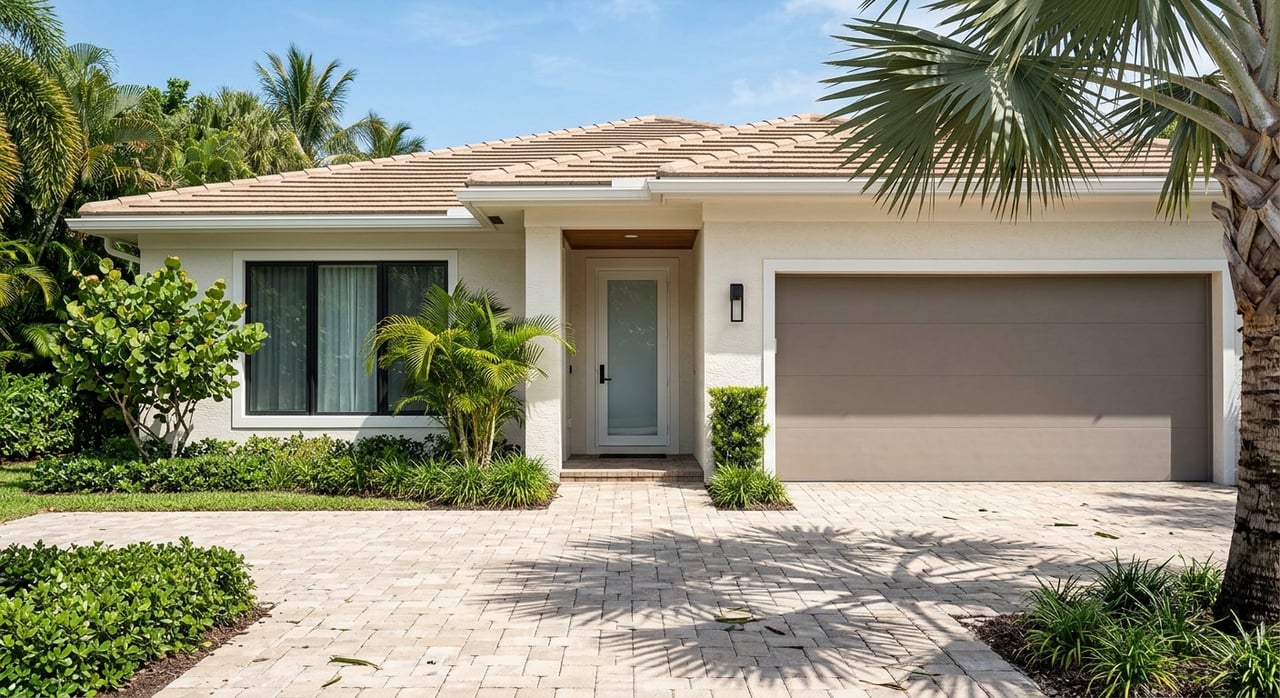
Coral Springs offers a broader mix of homes, from mid-size single-family houses to townhomes and condos. Many neighborhoods date from the 1960s–1990s, with a denser suburban fabric. You’ll find more local shopping nodes and a defined civic core near City Center and Sample Road. The city also operates a wide network of parks and recreation facilities, including the Aquatic Complex and dozens of neighborhood parks, documented by the Coral Springs Parks & Recreation department.
Home values and sale prices vary widely by neighborhood, home age, and condition. Use two lenses when comparing cities: long-run owner values from the Census and current median sale prices from market portals.
Note: Portals and Census measure different things, and the market moves quickly. Always confirm live pricing, days on market, and inventory through the local MLS when you’re ready to act.
Parkland emphasizes open space, trails, and nature-forward amenities. Pine Trails Park is a standout community hub, and the Doris Davis Forman Wilderness Preserve highlights the area’s protected feel. The city’s trail network and park profiles are detailed on Parkland’s parks and pathways page. If you value larger yards and a quieter daily rhythm, Parkland delivers.
Coral Springs leans into organized recreation and easy access to facilities. The city operates around 49 parks along with notable venues like the Aquatic Complex, and it programs robust youth and adult sports. Explore the menu of offerings through Coral Springs Parks & Recreation. If you want activities close at hand and shorter internal drives for errands, this setup works well.
Both cities are served by Broward County Public Schools. In Parkland, many addresses are zoned to Marjory Stoneman Douglas High School. Coral Springs addresses may align to Coral Springs High, Coral Glades High, or other nearby district schools. Always verify zoning by specific address, since boundaries can shift and a single street may be split. You can start at the Marjory Stoneman Douglas High School page and the district’s zoning resources.
Zoning and HOA rules also matter. Parkland’s code protects large-lot and equestrian areas, which can limit subdivision or higher-density uses. Before planning any changes to a property, review municipal zoning and community covenants. A good primer is the Parkland land development reference, and your HOA documents will provide lot-specific guidance.
Average commute times in both cities are under 35 minutes by the city-level metrics. Parkland’s mean travel time is about 32.5 minutes; Coral Springs is about 29.9 minutes per Census QuickFacts. Both cities are car-oriented overall.
For walkability and short errands, Coral Springs has a few pockets that score better, including areas near City Center and Sample Road. A quick scan of the Coral Springs Walk Score overview shows how this varies by address. In Parkland, most neighborhoods are designed for driving, with some communities also allowing golf-cart access.
Flood zone status and elevation can materially affect your insurance costs and mortgage requirements. Broward County and FEMA publish interactive resources where you can check maps for a specific property. Start with the county’s flood map and GIS resources. Your lender and insurance agent can then confirm coverage and premiums.
Use this list when you’re narrowing homes or touring neighborhoods:
Ready to weigh the tradeoffs with local, address-level insight? With more than 25 years in North Broward and 1,500-plus successful sales, our team can help you focus fast on the right communities, confirm the details that affect value, and secure the home that fits your goals. Let’s map your next move together with Beverly Shanahan.
Stay up to date on the latest real estate trends.
Get assistance in determining current property value, crafting a competitive offer, writing and negotiating a contract, and much more. Contact Beverly today to discuss all your real estate needs!