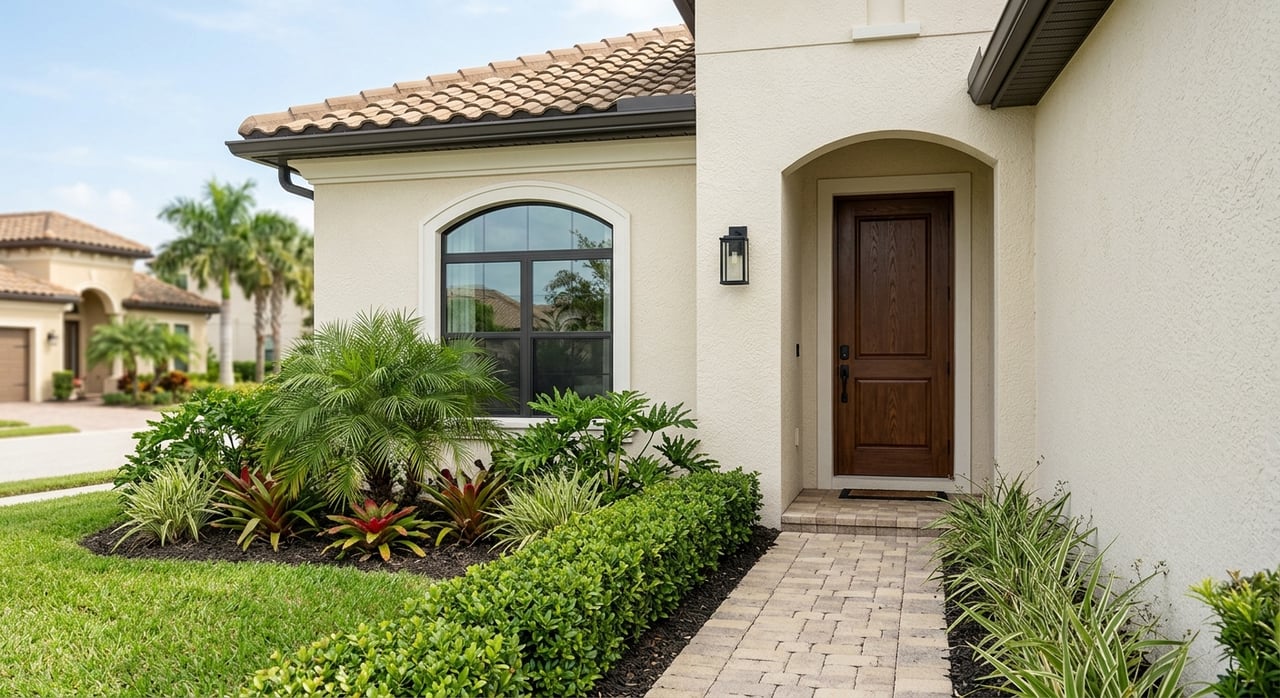
Coral Springs Single-Family Home Styles and Ages
July 9, 2026
July 9, 2026
Looking at homes in Coral Springs can feel a little confusing at first. One street may have a simple 1970s ranch, while another nearby may feature a larger stucco home with tile roofing and more formal outdoor space. If you want to understand how Coral Springs single-family homes differ by style and age, this guide will help you spot the main eras, what they usually offer, and how that can shape your search. Let’s dive in.
Coral Springs has a different housing story than many older South Florida cities. The city was conceived as a master-planned community in 1963, and the city describes itself as fully built out today.
Because it was built from the ground up on former farmland, the housing stock tends to fall into clear building waves. Instead of one dominant citywide look, you are more likely to see distinct eras that reflect when a neighborhood was developed.
City housing data supports that pattern. Coral Springs estimates that 28% of occupied housing units were built before 1980, while a smaller share of owner-occupied units, 9%, were built after 2000. That helps explain why many buyers still see a strong mix of established homes, later suburban buildout, and newer-feeling gated enclaves.
If you are shopping for a single-family home in Coral Springs, it helps to think about the city in three broad phases:
This framework makes it easier to compare neighborhoods and set expectations before you tour homes.
In the oldest sections of Coral Springs, you will often find simple ranch homes and minimal-traditional designs. These homes tend to have straightforward rooflines, practical layouts, and a more classic suburban feel.
Neighborhood snapshots point to this older style in places like City Center, Country Club Coral Springs, and Coral Springs Lakes. In these areas, buyers often see 1970s ranch-style homes, with some Spanish-influenced details mixed in.
Older Coral Springs homes often appeal to buyers who want space and flexibility. Many are one-story homes with common layouts like 3-bedroom, 2-bath or 4-bedroom, 2-bath floor plans, attached garages, larger yards, and screened pools.
In some of these established neighborhoods, you may also find fewer HOA rules. Coral Springs Lakes is noted for having no restrictions on remodeling or additions, and Westchester highlights non-HOA homes in its 1970s section.
Age alone does not tell you everything about value or condition. In older neighborhoods, renovation quality can vary widely from one property to the next.
You may see homes with updated kitchens, impact windows and doors, newer roofs, and refreshed baths right next to homes that are much more original. That makes in-person comparison especially important when you are narrowing down options.
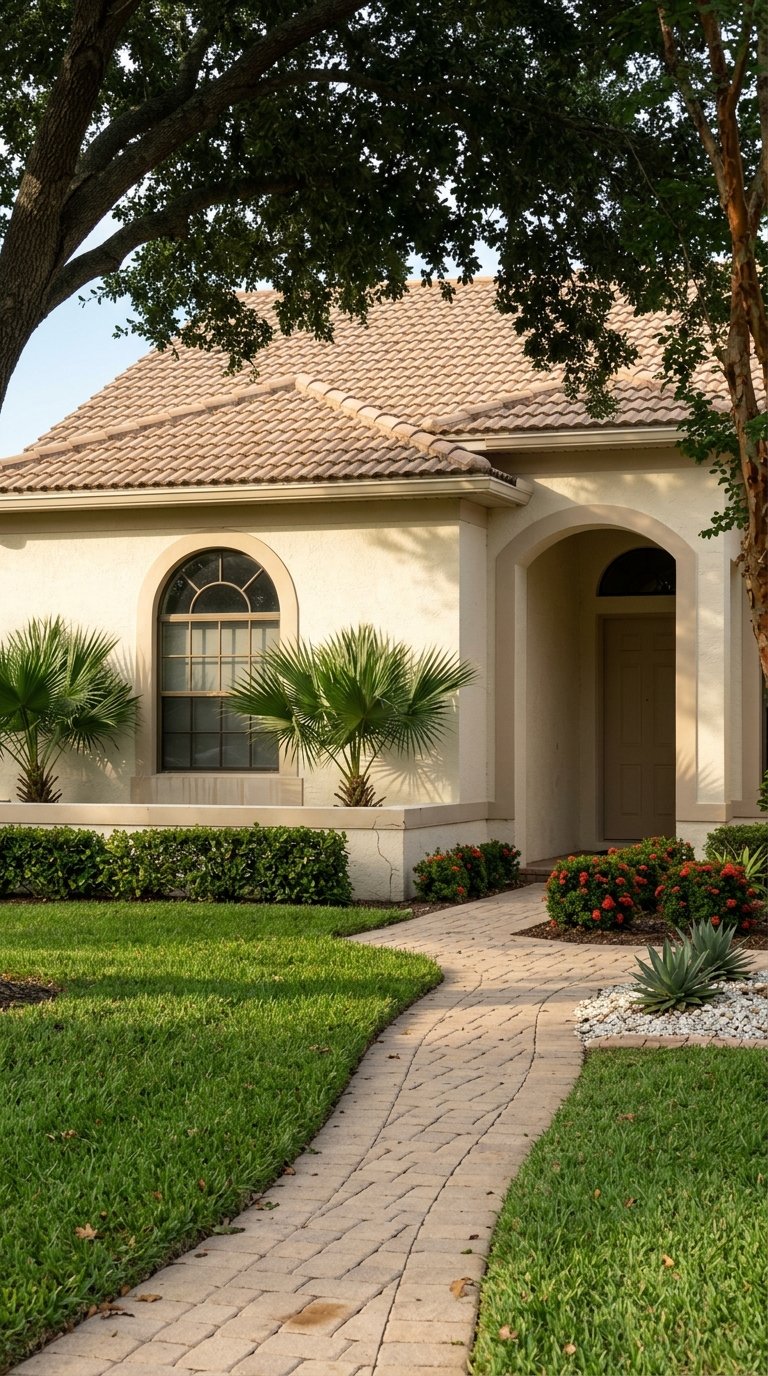
The 1980s were a major growth period for Coral Springs. This era added larger homes, more suburban variety, and a stronger visual shift toward stucco exteriors and Mediterranean-inspired details.
Forest Hills is a good example, with a median year built of 1982. It includes both Mediterranean homes with terra cotta roofs and arches, and ranch homes with brick and stucco facades.
Compared with many 1970s homes, 1980s homes in Coral Springs often offer:
Country Club Coral Springs, with a median year built of 1981, fits this established suburban profile. Maplewood Isle also reflects the era, though at a much larger scale, with 4,000- to 6,000-square-foot homes and five or more bedrooms in a gated setting.
If you want an established neighborhood but need more space than many older ranch homes provide, 1980s homes can be a strong middle ground. They often combine mature surroundings with roomier layouts and lot sizes that still attract move-up buyers today.
In later construction waves, Coral Springs single-family homes often became larger and more visually consistent. Spanish Revival and Mediterranean styling became more common, especially in gated or more custom-feeling communities.
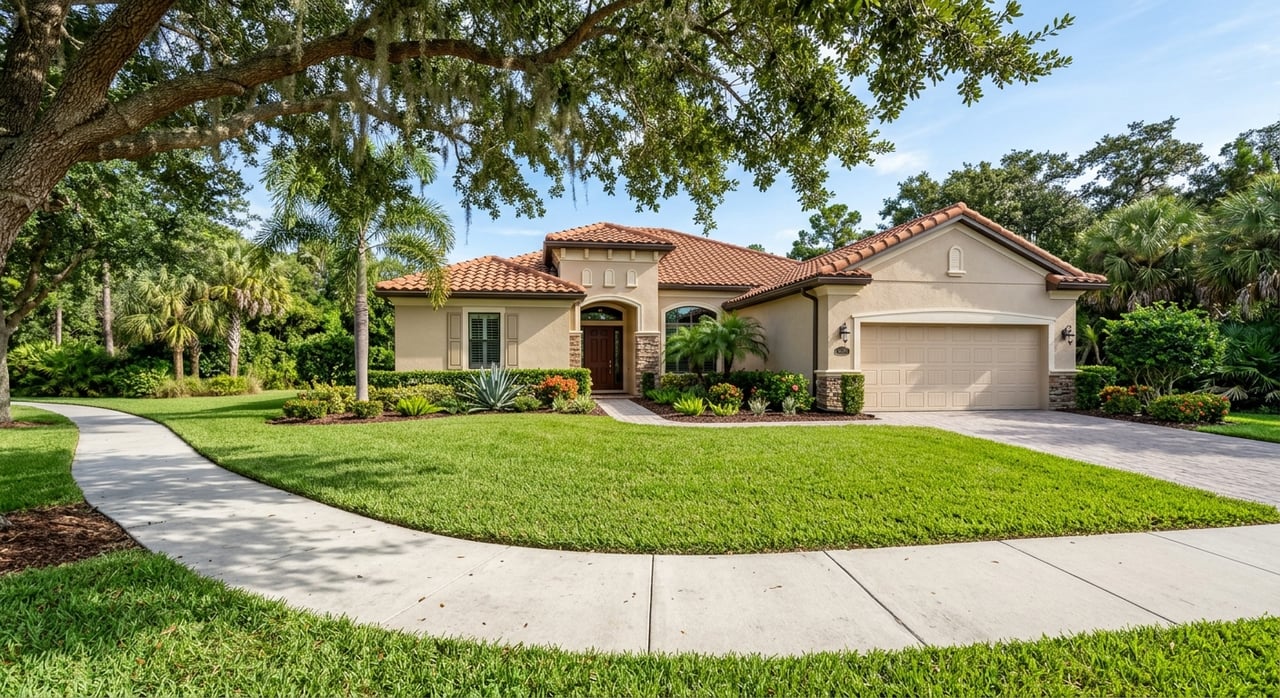
North Springs is one example. Homes there were developed in the late 1980s and 1990s, with a median year built of 1992, and are described as Spanish Revivals with stucco, clay roof tiles, and arches.
As you move into 1990s and early 2000s product, you are more likely to find:
North Springs notes that most homes have four bedrooms or more and lots up to 15,000 square feet. Coral Creek, with a median year built of 1998, is described as having Mediterranean-style single-family homes in gated subdivisions, with an average home size of 2,318 square feet.
If you prefer a more uniform streetscape or want a home that feels newer in layout and design, this era may be especially appealing. In many cases, these neighborhoods offer a more polished look from home to home.
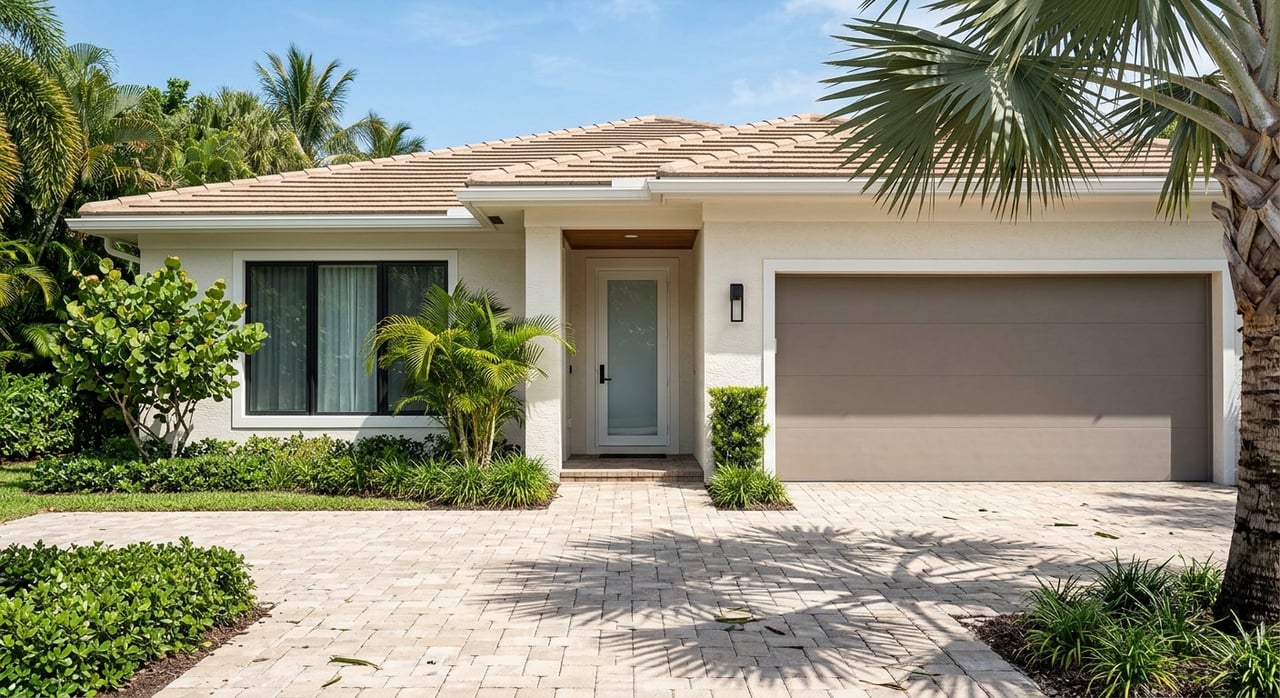
One reason Coral Springs has such a recognizable look is the city’s roof guidance. The city says most single-family dwellings are expected to use cement or clay tile roofs, with asphalt shingle exceptions limited to only a handful of subdivisions.
That rule helps explain why so many homes across different eras still share similar visual elements. Stucco exteriors, arches, terra cotta tones, and barrel-tile rooflines show up often, even as floor plans and lot sizes change from one neighborhood to another.
In today’s market, many Coral Springs homes have already been improved in ways buyers care about most. Recent listing snapshots show a common update package across resale homes.
You will often see features like:
These updates appear in both older and later-built homes. That is why two homes from the same era can feel very different in daily living and maintenance outlook.
In Coral Springs, price tends to reflect more than just the year a home was built. Neighborhood-level data suggests that lot size, renovation level, HOA status, and water or golf frontage can all matter as much as age.
City Center is a good example of older, more value-oriented single-family housing. Its listed single-family prices are shown around $405,500 to $643,000, with a median year built of 1985 and an average size of 1,663 square feet.
In this kind of segment, updates and exact location can strongly influence price. A remodeled home may compete very differently from a more original property with similar square footage.
Country Club Coral Springs and Westchester sit in the middle of the suburban spectrum. Country Club Coral Springs has a median year built of 1981 and a median single-family sale price of $774,500.
Westchester includes 1970s non-HOA ranch homes with backyard pools, with prices described in the mid-$500,000s to high-$700,000s. It also includes some larger early-2000s gated homes, which shows how mixed some Coral Springs areas can be.
North Springs, Coral Creek, and Maplewood Isle represent larger homes and more gated or custom settings. North Springs shows a median sale price of $747,500 and a median year built of 1992, while Coral Creek shows a median sale price of $785,000 and a median year built of 1998.
Maplewood Isle stands apart as a larger-scale gated enclave, with homes commonly running 4,000 to 6,000 square feet and prices at $1 million or more. That is a good reminder that in Coral Springs, size, setting, and presentation often shape price as much as age does.
The best home era depends on what matters most in your move. If you want larger yards, one-story living, and potentially fewer HOA rules, older ranch neighborhoods may be worth a close look.
If you want a balance of established surroundings and more interior space, 1980s neighborhoods may offer the sweet spot. If you want larger bedroom counts, more consistent exterior design, and a newer overall feel, many 1990s to early 2000s communities may fit better.
A smart home search in Coral Springs usually starts with matching your priorities to the right housing era. Once you know whether you care most about lot size, layout, style, renovations, or HOA structure, the neighborhood choices become much clearer.
If you want help comparing Coral Springs neighborhoods, home styles, and current opportunities, connect with Beverly Shanahan for knowledgeable local guidance and personalized support.
Stay up to date on the latest real estate trends.
Get assistance in determining current property value, crafting a competitive offer, writing and negotiating a contract, and much more. Contact Beverly today to discuss all your real estate needs!