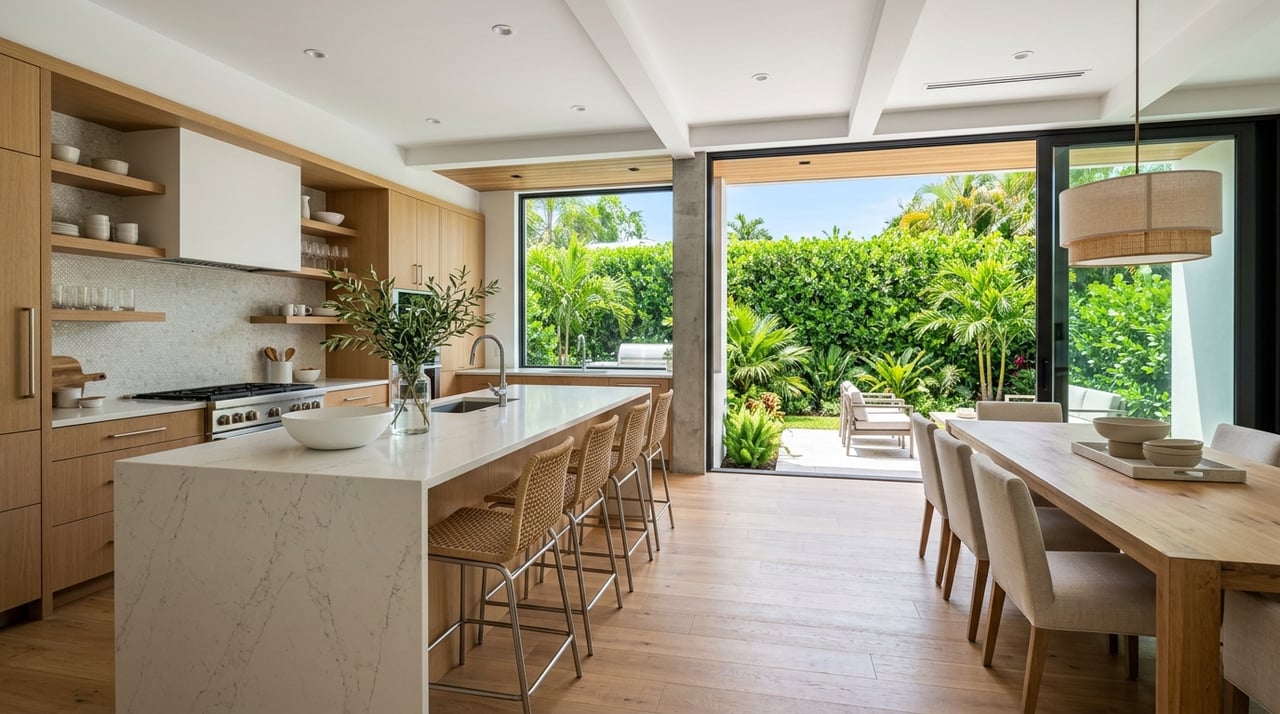
Selling a Parkland Home While Building New
June 25, 2026
June 25, 2026
Trying to sell your Parkland home while building a new one can feel like managing two moving targets at once. You want strong terms on your current sale, but you also need confidence that your next home will actually be ready when you need it. The good news is that with the right plan, you can reduce timing stress, protect your money, and avoid unnecessary surprises. Let’s break down what matters most.
When you sell and build at the same time, your sale is only one part of the bigger schedule. You still need to account for listing prep, showings, negotiations, inspections, financing, and closing on your current home.
On the build side, your move depends on more than construction progress. In Parkland, the timeline can also be affected by local permits, inspections, and final occupancy approval through the city and related Broward processes.
That means a closing date on paper does not always equal a move-in date in real life. If you are counting on sale proceeds to help fund the new home, both timelines need to be mapped together from the start.
A smart plan begins with a clear timeline for both transactions. Many homeowners prefer to sell first because it can reduce overlap and limit cash strain.
That approach can be especially helpful if you do not want to carry two housing payments at once. It can also give you a better picture of how much equity you will have available for your new purchase.
Still, even an accepted offer does not make everything predictable. Florida Realtors notes that pending sales can last from about a week to two months depending on contingencies, repairs, and financing.
To keep your move on course, you need to watch several deadlines at the same time:
If one date shifts, the rest of the schedule may need to shift too. That is why proactive coordination matters so much in a sell-and-build move.
One of the biggest mistakes sellers make is assuming that if one deadline gets extended, everything else follows automatically. In Florida, that is not always the case.
Florida Realtors specifically notes that extending the closing date does not automatically extend the financing contingency. If a buyer needs more time for financing, both the closing date and the financing period need to be addressed intentionally.
This detail matters whether you are selling your current Parkland home or buying the next one. Missing a contingency deadline can create risk that could have been avoided with careful review.
Contingencies can help keep a complex move from falling apart. They define what must happen and by when.
For example, if your next purchase depends on selling your current home first, Florida Realtors identifies Rider V, Sale of Buyer’s Property, as the form used when a buyer needs to sell an existing property to purchase another one. This can be important if the sale of your current home is the key to moving forward.
There are also situations where backup offers can protect you. Florida Realtors notes that the Kick-Out Clause, used with the related backup contract form, can allow a seller to keep marketing the property and consider bona fide backup contracts if the first buyer has a sale contingency or financing issue.
If appraisal protection is part of the deal, that may also need separate attention. Florida Realtors explains that the standard contract does not automatically include an appraisal-to-price contingency, so a separate rider may be needed if a buyer wants cancellation rights tied to value.
Deadlines are not just technical details. They can affect whether earnest money stays protected.
Florida Realtors notes that earnest money can be returned when a contract ends under a valid contingency. But if contingency deadlines are missed or a buyer cannot close as agreed, those funds may be at risk.
For you as a seller, this is another reason to favor clean, well-organized contracts and a realistic timeline. A strong offer is not just about price. It is also about whether the terms match the real-world timing of your move.
Even with good planning, there can be a gap between selling your current home and moving into the new one. That gap is often where stress shows up.
In Parkland, it is especially important not to assume the new build will be ready for occupancy the moment construction looks nearly done. Final inspections and occupancy approvals still have to happen.
Parkland’s temporary certificate of occupancy form indicates that a TCO may be issued only for a building or portion of a building other than a single-family residence, and only when specific completion and safety standards are met. For a new single-family home, that means you should not count on temporary occupancy as your fallback plan.
If your new home may not be ready by the time your current one closes, consider these possible solutions:
Florida Realtors notes that if a property will be occupied after closing, the occupancy and leasing terms should be reviewed carefully and clearly written into the contract. The best backup plan is usually the one documented before a problem appears.
Selling while building is not only a timeline issue. It is also a cash-flow issue.
If there is overlap between homes, you may need to cover moving costs, utility setup, furnishings, repairs, and a financial cushion. CFPB also notes that closing costs on a purchase often run about 2% to 5% of the purchase price, before the down payment.
That matters when you are comparing your current sale proceeds to the true cost of your next home. Monthly affordability should include more than principal and interest.
As you plan, make room in your budget for:
In Florida, there is also documentary stamp tax on deeds that transfer real property. The Florida Department of Revenue states that outside Miami-Dade County, the rate is 70 cents per $100 of consideration, paid when the deed is recorded.
If you are moving from one Florida homestead to another, there may be a tax planning opportunity worth discussing early. The Florida Department of Revenue says some homeowners may transfer some or all of their Save Our Homes assessment difference to the new Florida homestead.
This is not the same thing as transferring the homestead exemption itself. The required form must be filed with the homestead application by March 1 of the first year after moving.
For many move-up buyers, this detail can affect long-term carrying costs. It is one more reason to plan the move as a full financial picture, not just a sales transaction.
Some homeowners need to buy or continue building before their current home sale is fully complete. In certain cases, bridge financing may help fill that short-term gap.
CFPB states that a temporary or bridge loan with a term of 12 months or less can be used to finance the purchase of a new dwelling when the consumer plans to sell the current dwelling within 12 months. It also cites initial construction of a dwelling as an example.
This is not the right fit for every seller. But if timing is tight, it can be worth exploring whether short-term financing supports your plan better than rushing a sale or risking a missed builder deadline.
In a move like this, success often comes down to coordination. You are not just selling a home. You are managing listing strategy, buyer terms, contingency windows, builder updates, permits, inspections, occupancy timing, and moving logistics all at once.
That is where local experience can make the process smoother. In Parkland, understanding how city permitting and final approvals affect move-in timing can help you set more realistic expectations and stronger contract terms.
A well-managed plan can help you avoid double payments, last-minute housing gaps, and preventable contract problems. It can also give you more confidence as each part of the move comes together.
If you are thinking about selling your Parkland home while building new, working with a local expert who can coordinate both sides of the process can save you time, stress, and costly missteps. When you are ready to build a timeline that fits your goals, connect with Beverly Shanahan for a free consultation.
Stay up to date on the latest real estate trends.



Get assistance in determining current property value, crafting a competitive offer, writing and negotiating a contract, and much more. Contact Beverly today to discuss all your real estate needs!